August–September 2026 Car Launches: Six New Hybrids, EVs and SUVs Coming to India
If you are looking for upcoming cars in India August September before the festive season starts, you might want to wait a bit. There is quite a lot happening with upcoming cars in India August September as automakers prepare big launches. A few interesting hybrids, one big electric SUV and a couple of useful updates are on the way. Here are the upcoming models coming your way, broken down simply.
1. JSW MG Hector Hawk (Plug-in Hybrid)
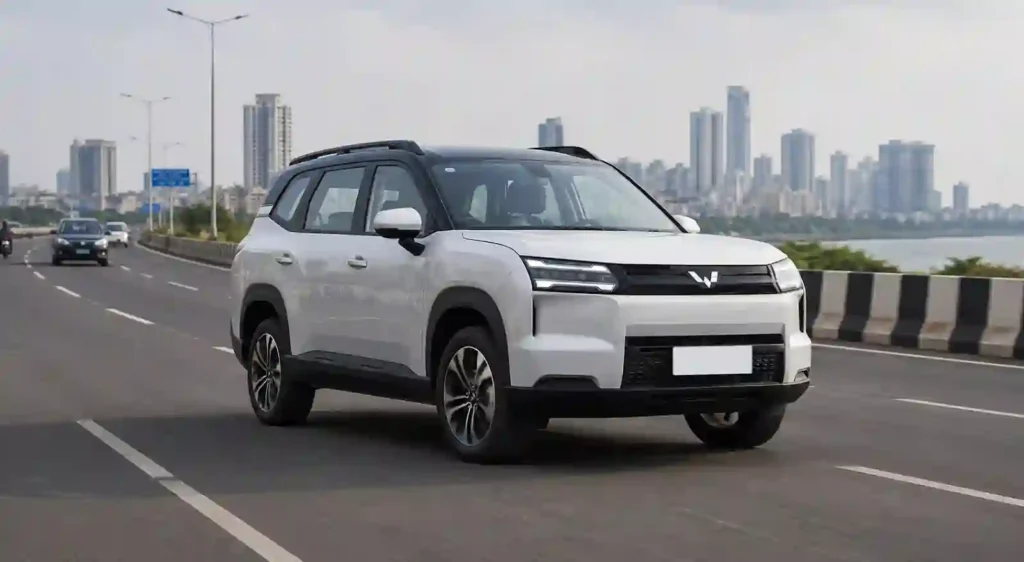
First up is the JSW MG Hector Hawk. This is the company’s first real plug-in hybrid for India, and it should arrive around 26 August. It’s based on a Chinese model called the Wuling Starlight 560. In India they’ll almost certainly call it Hector Hawk. You can get it with six or seven seats, which makes it useful for larger families.
Under the bonnet there’s a 1.5-litre turbo petrol engine working with a 20 kWh battery. On electric power alone you should get somewhere between 90 and 125 kilometres. When the battery runs low, the petrol engine kicks in and can also top the battery back up. The company will probably talk about a total range of over a thousand kilometres, but in normal mixed driving once the pure electric bit is finished you’ll more likely see around 14 to 16 km per litre.
Ex-showroom prices are likely to land between ₹26 lakh and ₹40 lakh, placing it right in the mid-size premium SUV bracket. A plug-in hybrid makes plenty of sense if your running includes both city commutes and long highway runs, especially with home charging available. Bookings are expected to open right after MG officially unveils the vehicle.
2. Kia Sorento (Strong Hybrid and Diesel)
Following that, the Kia Sorento is set to arrive on 4 September. This is Kia’s first strong hybrid in India. With its large three-row layout, the SUV is clearly intended to appeal to buyers who might otherwise choose a Toyota Fortuner or similar vehicle.
There should be two engine choices – a 1.6-litre turbo hybrid and a 2.2-litre diesel. Inside you’ll get a pair of big 12.3-inch screens anda Level 2 safety kit. The cabin is designed for comfort on long journeys, with the option of six or seven seats.
The model is expected to be priced from approximately ₹40 lakh. While that is a serious amount of money, a large feature-packed hybrid SUV doesn’t have many direct competitors in our market right now. For those who frequently take long highway trips, the hybrid option could be a compelling choice for keeping running costs under control.
Also Read: Upcoming SUVs in India Launching Soon
3. Mahindra Vision S
Mahindra is showing the production version of its Vision S concept around 14 August. The car has been spotted testing for ages under different names. It’s a boxy compact SUV with a spare wheel on the back, so it has a bit of that mini-Thar look. The design is rugged and upright, which many buyers in this segment seem to like.
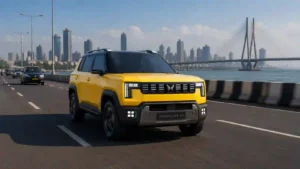
Early cars should use a 1.5-litre turbo petrol engine. An electric version is planned for later. When it actually goes on sale, prices are expected to start somewhere between ₹7.5 lakh and ₹13 lakh. That positions it right in the sweet spot of the compact SUV battle. More information about the badge, features, and trim-level pricing is expected to be revealed at the official showcase.
4. Tata Tigor Facelift and Tigor EV
Tata is updating the Tigor around 27 August. The front end will look similar to the new Tiago, which should give it a fresher appearance. The electric Tigor will use the same batteries as the Tiago EV, so the range and performance should be familiar to anyone who has looked at that car.
They’re also expected to bring a version aimed at taxi drivers who want low running costs. Regular buyers will still get petrol and CNG options with automatic gearboxes. Prices should stay close to the current Tigor, though the big discounts on the old stock will probably disappear once the new one arrives.
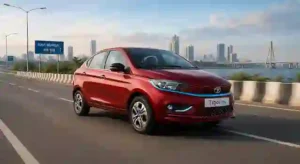
If you are looking for a small sedan with cheap running costs, CNG and EV trims remain logical options. Holding off a few weeks for the styling updates and extra equipment seems like the right call here.
5. Tata Safari Electric
Then there’s the Tata Safari Electric. This is Tata’s first three-row electric SUV, and it’s due in late August. It gets a new suspension designed to handle heavy batteries. A 75 kWh pack is expected, which could give real-world range close to 600 kilometres. That would make it one of the longer-range electric SUVs assembled in India.
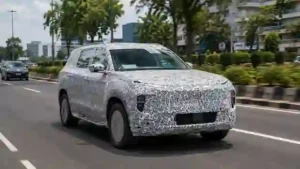
The front grille will be closed off, and it should come with a 360-degree camera and Level 2 ADAS. Prices look likely to start around ₹26 lakh and go up to about ₹32 lakh. A seven-seater EV capable of covering long distances could draw plenty of interest from families once its real-world range and charging support are proven reliable.
6. Maruti Suzuki Fronx Update
Rounding things off, Maruti is expected to introduce a minor update to the Fronx on 5 September. The Fronx isn’t receiving a major overhaul, with the update limited mainly to a larger touchscreen and new Level 2 safety features like blind-spot detection. The good news is that higher-spec versions should finally be available with the normal 1.2-litre engine as well as the 1.0-litre turbo. CNG stays, and prices should remain between ₹7.30 lakh and ₹11 lakh.
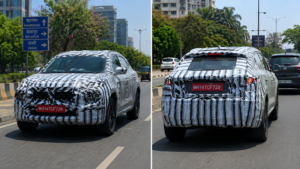
This update keeps the Fronx as a very solid and sensible pick in the compact crossover space. Buyers seeking modern features without jumping into a higher price bracket will find this update quite reasonable.
Which Car Makes Sense for You?
If you want the longest combined electric-plus-petrol range and don’t mind spending more, the Hector Hawk is worth a look. For a big family car that can do long highway runs, the Sorento or the Safari Electric are the ones to consider. If your budget is under ₹12 lakh and most of your driving is in the city, the updated Fronx or the new Tigor are still the more sensible choices.
Quick Answers to Common Questions
Which car will have the highest range?
The Hector Hawk should offer the highest total range – over 1,000 kilometres when you use both the battery and the petrol tank. Among pure electrics, the Safari EV is expected to lead with around 600 kilometres.
Are any strong hybrids coming under ₹15 lakh?
There aren’t really any strong hybrids coming under ₹15 lakh. The main ones sit between ₹20 lakh and ₹40 lakh. Cars under ₹12 lakh will mostly stick with petrol, CNG or pure electric. or you can check out our two-wheeler road tests.
Will the new Fronx get a full hybrid engine?
No. The Fronx update does not get a full hybrid engine. It’s mainly about features and making the higher trims available with the 1.2-litre engine.
What will the Safari EV cost?
The Safari EV is expected to start around ₹26 lakh and go up to about ₹32 lakh for the top versions.
Should I buy a Tigor now or wait?
If you need a Tigor right now and want a good discount, the current stock still makes sense. If you can wait a few weeks for the new styling and better batteries, the late-August car is probably the better option.
That’s the list for now. More cars are expected later in September and October, closer to Diwali.