Upcoming SUVs in India: Thinking of buying an SUV this weekend? Seriously, just wait.
I know the feeling. Your wallet is open, the salesperson is laying on the charm, and that new-car smell is practically pulling you into the driver’s seat. Hold on a second—let me interrupt you right there. Skip the outgoing model for now; buying it today will only lead to major buyer’s remorse by Diwali.
Here’s the reality: brands love discounting current models just to make room for the game-changers waiting in the wings. If you could please bear with us for just a moment? You’re looking at better crash scores, dashboards that look like spaceships, and in some cases, hybrid powertrains that’ll save you a fortune at the pump. Nobody wants to be that guy at the traffic light, watching a fresher, meaner version of their “new” car pull up next to them. So, let’s cut the fluff. Here are the five SUVs actually worth putting your wallet on ice for.
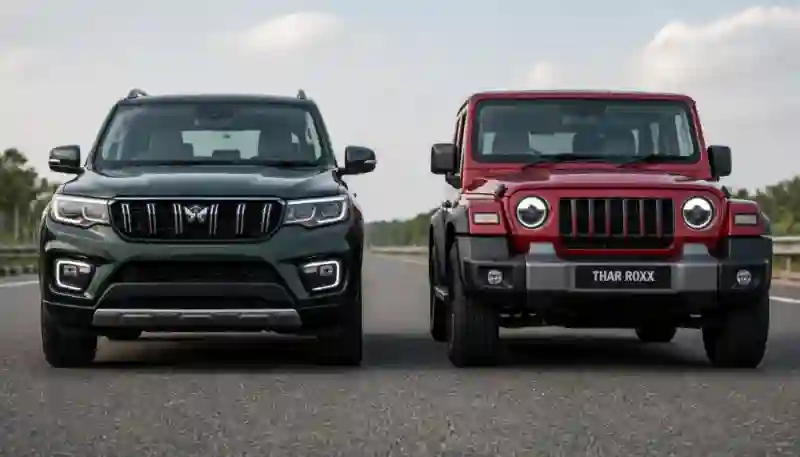
Mahindra Scorpio-N: It’s finally getting the brain to match the brawn
The Scorpio-N is everywhere right now. And why not? Its intimidating design makes even the Fortuner look tame. Given the premium price tag, the lack of comprehensive driver assistance technology is a disappointing omission. Mahindra has finally heard the noise.

They’re slotting in
Level 2 ADAS soon. Expect that to dramatically improve its crash test results. Inside, there’s a new steering wheel and a sharper digital display. Don’t expect a makeover outside, though—it’s still the same boxy bruiser we all love. Base models? Barely a ₹500 bump. Want all the bells, whistles, and safety tech on the top variant? Dig a lakh deeper into your pockets—rollout is scheduled for December!
Hyundai Creta: Getting bigger because it has to
The Creta has comfortably held the crown for years—and everyone knows it. But with the
Tata Sierra and Selot’s creeping up in size, Hyundai knows they can’t rest on their laurels. The new one is getting a taller, angrier snout and a bulging bonnet. It’s going to look seriously aggressive.
Speculation suggests a high-tech interior highlight: a sweeping triple-screen dashboard paired with a Head-Up Display. That’s three screens, guys. Engine-wise, Hyundai is apparently working on a 1.5-litre flex-fuel option for the ethanol era. Mark your calendars for July. Entry-level? ₹11 lakh. Fully loaded? You’re looking at ₹24 lakh.
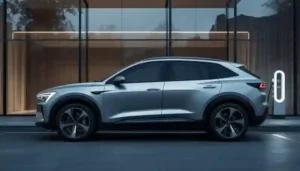
Kia Clavi’s EV: For the city slicker who hates fuel pumps
If you’re a city commuter, this one’s for you. Kia loves stuffing their EVs with gadgets, and the Clevis is no exception. It’s built on a solid, 5-star crash-rated chassis, so safety is sorted. You lose a pinch of ground clearance to the underfloor battery, but step inside, and it’s pure sci-fi—lifting its futuristic cabin layout straight from the global
EV5. It looks futuristic inside. Deliveries start around July, and the price is a sweet spot: ₹15 lakh to ₹19 lakh.
Hyundai’s mystery 4.2-metre SUV: Plugging the obvious hole
Have you noticed the gap? The Venue is tiny, and the Creta is getting expensive. There’s a massive hole in the middle of Hyundai’s line-up. And guess what? They’re fixing it with a brand new 4.2-metre SUV.
Engine choices include the lively 1.0-litre Turbo GDI petrol for quick acceleration and the dependable 1.5-litre diesel for long-distance efficiency. Both manual and auto will be on offer. Because it crosses that 4-metre mark, the taxman hits it with 40% GST—so it won’t be a budget buy. Expect a festive season launch, with prices hovering between ₹11 lakh and ₹18 lakh.
Renault Bistre: Finally, a proper 7-seater hybrid
Last but not least, road-tripping families should keep an eye on the upcoming Renault Baster. Far from a simple stretched Duster, this model establishes itself as a distinct, powerful rival in the segment. Between that generous 200mm ground clearance, an angry front grille, and huge 19-inch wheels, this thing has serious attitude on the road.
There’s a 1.3-litre turbo under the hood, but the real talk of the town is the
1.8-litre hybrid setup co-developed with Horse (their JV with Greely). Running on electric power 80% of the time in city traffic? Sign me up. That’s huge.
Under the skin, a 1.4 kWh battery pack does the heavy lifting for Renault’s hybrid system. While we’ll see the official reveal in December, you’ll have to wait until early 2027 for deliveries. Price tag: ₹18 lakh to ₹26 lakh.
The bottom line
Look, I get it. Waiting stinks. But buying a car is a 5-to-7-year commitment. Don’t spend the next five years regretting a rushed purchase. Exercise a little patience and hold onto your funds for just a few more months. You’ll either save a boatload of money, or you’ll end up with a significantly better car for your family.
FAQ: Is it actually worth waiting before buying an SUV?
Why should I hold off on buying an SUV today?
Honestly, automakers love clearing out older stock right before launching massive generational upgrades. If you buy today, you’re likely getting older tech. Waiting a few months gets you better safety ratings, hybrid power, and fresher styling.
Which 5 upcoming SUVs are worth waiting for?
You should keep an eye on the Mahindra Scorpio-N (adding Level 2 ADAS), next-gen Hyundai Creta (bigger with a triple-screen dashboard), Kia Clavus EV (urban electric crossover), Hyundai’s 4.2-metre SUV (bridging Venue and Creta), and the Renault Bester (a proper 7-seater hybrid).
How does the Indian launch timeline look for these upcoming SUVs?
Launch dates vary across the year. The updated Creta and Kia Clevis EV arrive around July. Hyundai’s 4.2-metre SUV hits showrooms during the festive season. December is set to host both the Scorpio-N ADAS update and the official unveiling of the Renault Bistre, followed by Baster customer deliveries in early 2027.
How much will these upcoming SUVs cost?
Base Scorpio-N models see a tiny ₹500 bump, while ADAS top-specs add roughly ₹1 lakh. The Creta ranges between ₹11 lakh and ₹24 lakh. Kia’s Clavi’s EV sits between ₹15 lakh and ₹19 lakh. Hyundai’s 4.2-metre model is slated for ₹11–18 lakh, while the Renault Bistre targets ₹18–26 lakh.
Why won’t Hyundai’s new 4.2-metre SUV be cheap?
Because it stretches past the sub-4-metre length mark. That means it gets hit with India’s standard 40% GST tax slab, keeping it out of the entry-level budget zone even though it sits below the Creta.


 They’re slotting in Level 2 ADAS soon. Expect that to dramatically improve its crash test results. Inside, there’s a new steering wheel and a sharper digital display. Don’t expect a makeover outside, though—it’s still the same boxy bruiser we all love. Base models? Barely a ₹500 bump. Want all the bells, whistles, and safety tech on the top variant? Dig a lakh deeper into your pockets—rollout is scheduled for December!
 Speculation suggests a high-tech interior highlight: a sweeping triple-screen dashboard paired with a Head-Up Display. That’s three screens, guys. Engine-wise, Hyundai is apparently working on a 1.5-litre flex-fuel option for the ethanol era. Mark your calendars for July. Entry-level? ₹11 lakh. Fully loaded? You’re looking at ₹24 lakh.