Tata Aeris vs Dzire Buying Guide: Which Saloon Deserves Your Money?
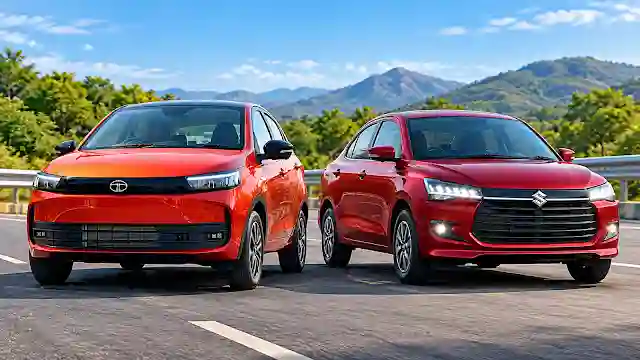
Walk down any street in India and try counting the Dzires. You will lose track in five minutes. It sells in numbers that leave rival brands scratching their heads. Yet Tata now wants a significant piece of that opportunity. They brought in the Aeris on an all-new platform, aiming straight at the family saloon crown.
A lot of people ask if the shiny new Tata can actually push the Dzire off its perch, or if Maruti’s bulletproof mileage and resale will keep winning. Look, resale values change over time. Nobody cared about the Nexon eight years back, yet today it holds its cash brilliantly. Buy a car for your own daily peace of mind, not for the second owner five years down the line. Here is what you properly need to know before putting your money down.
Engine Buzz and Cabin Refinement
Both cars come with three-cylinder petrol engines, so don’t expect silent idle. Crank them up on a chilly morning or halt at traffic lights with CNG running, and yes, the steering will tingle a bit. That is simply the nature of three pots.
Cross thirty or forty on the clock, and the rough engine rumble just fades away into the background. Out on bypass roads, cabin quietness is surprisingly a dead heat. Push both gas variants hard, and the Aeris feels like it takes a quick breath before picking up speed. The Dzire, meanwhile, just darts ahead right away. Still, stuck in your everyday bumper-to-bumper office run, both pull cleanly enough that nobody notices.
Real-World Fuel Economy
If shaving your monthly fuel bills down to pennies is the main game, stick with the Dzire.
Grind through packed rush-hour streets, and the Dzire consistently squeezes an extra 2 or 3 km out of every single litre. Point both noses onto a clear stretch of open dual-carriageway, and that exact 2 to 3 km lead holds rock steady. Thrash the Aeris hard away from signals, and your fuel needle drops fast. You can feather the Aeris pedal gently and drive the Dzire like a maniac to match their numbers, but driven normally by the same person, Maruti simply burns far less petrol.
The 1,800-Kilometre Monthly Running Rule
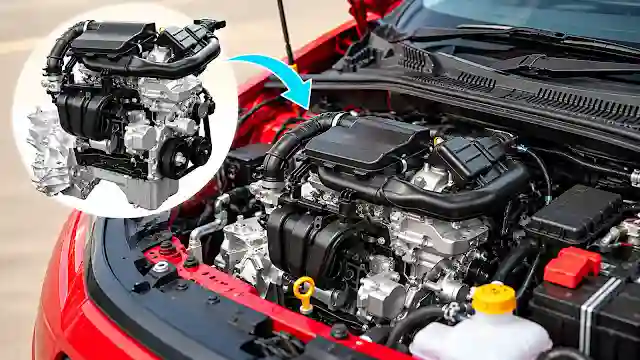
Ticking that factory CNG option adds roughly a full lakh onto your on-road balance sheet. Insurance costs creep up, routine service bills jump a bit, and monthly bank interest adds on silently.
Here is the plain calculation. Anyone clocking under 1,700 or 1,800 km a month is much better off sticking with petrol. You keep your hard cash at the dealership, dodge loan interest, and skip those endless Sunday gas queues. Only sign for CNG if daily long runs push you way over that 1,800 km barrier each month; otherwise, chasing back that initial lakh takes far too many years of your life. For a detailed breakdown of real-world fuel cost differences and tank capacities, read our Tata Aeris CNG vs Maruti Dzire comparison.
The Workshop Reality Check
Maruti boasts over 5,000 service stations across India. Grand headline, sure, but turn up at 8:30 AM on a weekend. It resembles a jam-packed railway junction. With millions of cars running, mechanics are completely snowed under, and commercial taxis keep pouring in for quick oil swaps.
Tata used to carry a terrible workshop name years ago, but they have improved parts supply and general turnaround. Here is the twist, though: Tata now sells in huge numbers, meaning their service bays are filling up fast as well. Most Maruti drivers barely utter a word when their vehicle stays parked on a dealer ramp for days. Put a Tata buyer in that same spot, though, and angry posts show up on every social feed before lunchtime. Walk into either service centre on a Saturday morning, and the packed service lanes tell the same story.
Fixing Scrapes and Dent Bills
For ordinary oil, filter, and plug replacements, the regular service bill works out quite similarly. Costs drift apart only when metal gets bent.
Tata gave the Aeris sharp, sculpted LED rear lights that look brilliant. Yet, if an unruly rickshaw clips that fancy rear light cluster, genuine Tata replacements are bound to sting your pocket far worse than a standard Dzire bulb unit. Front bumpers and LED headlamps stay roughly equal. Here is another ground reality: local roadside shops carry piles of cheap aftermarket Maruti components, while fresh Aeris parts remain strictly locked within authorised Tata dealerships.
Will It Just Become Another Taxi?
Maruti originally claimed the newer Dzire was strictly for private driveways, leaving the older Tour shape for yellow plates. Naturally, cab operators bought the new model anyway because cheap running costs make business sense.
Tata insists the older Tigor platform will shoulder fleet duty while the Aeris caters to families. Still, dealerships cannot legally refuse a buyer who turns up with private cash and registers for commercial rentals later. You gain nothing by obsessing over yellow taxi badges. As long as your own family rides home in solid comfort, airport cab ranks shouldn’t keep you awake at night.
Picking Between Rivals on an Eight-Lakh Budget
If ₹8 lakh is your sweet spot, the market offers four solid options:
The Dzire remains the go-to badge for buyers who hate gambling on fresh market models and want stone-solid resale. The Aeris speaks directly to buyers after a sturdy, heavy road feel, doors with a satisfying thud, and suspension that shrugs off ugly road craters.
If your daily life involves crawling through non-stop peak-hour jams, check out the Honda Amaze CVT. Its automatic gearbox has none of that AMT jerkiness, plus you get proper camera-based ADAS tech. To weigh up more options in this exact price bracket, browse our car buying guides for a side-by-side view. On the other hand, the Hyundai Aura offers the most relaxed rear-seat lean, though a huge chunk of them run commercially.
Ride Quality and Road Grip
Tata got the spring tuning spot on for broken roads. Sharp road cuts, ugly speed humps, and tar joints get soaked up without punching through the passenger base. The car remains planted.
The Dzire feels feather-light and super nimble when slotting into congested market slots. The compromise comes on long weekend tours: load five adults with luggage into the boot, and the Dzire tends to float over highway road undulations. The Aeris carries full family weight with superior highway composure. If you want a full run-through of the cabin quality, seat support, and ride dynamics, take a look at our complete Tata Aeris sedan review.
Tough Build and Final Thoughts
Maruti has made noticeable strides in structural integrity, but Tata’s reputation for rugged crash shells is well known on Indian roads. The Aeris feels grounded and composed when a heavy interstate bus passes by in bad weather.
Take the keys to the Dzire if absolute mileage figures decide everything for you, backed by the ease of finding a spanner in any roadside village.
Head toward the Aeris if you care about reassuring stability at speed, a modern layout, and supple seats, provided you stick to official franchise ramps for every service stamp.
Quick Buyer Questions Answered
Which one drinks less fuel between the two?
Maruti takes this hands down. Drive both normally on the same route, and you will see the Dzire squeeze out an extra 2 to 3 km from every single litre, whether crawling through town or cruising on bypass roads.
Does CNG make financial sense if I don’t drive daily?
Not really. If your monthly log stays below 1,700 or 1,800 km, stick with ordinary petrol. Ticking the CNG option adds almost a lakh to the car bill, and recovering that through fuel savings takes far too many years when runs are short.
Are the three-cylinder engine vibrations annoying?
Only when you sit parked with the motor idling, especially on CNG. The moment you give it gas and cross 35 or 40 on the dial, the buzz settles right down, and the cabin stays calm.
Will replacement parts for the Aeris pinch the pocket more?
Basic service filters and routine lubricants cost similar money. Trouble starts if you crack a body panel or smash that sculpted LED tail lamp cluster, because Tata parts stay pricey and dealer-only. Dzire spares are available everywhere, including cheap aftermarket stock from independent sellers.
Which car handles broken tarmac better?
The Tata Aeris wins here cleanly. Its spring setup absorbs nasty road cuts and expansion joints without kicking the back seat around, whereas the Dzire gets a bit bouncy over highway dips when packed with family bags.