Look, the new Bajaj Pulsar 150 and Pulsar 125 don’t hit you with some radical redesign. You won’t stand there thinking Bajaj built an alien bike. That was deliberate.
This family has been on Indian roads for more than twenty years. It picked up a huge following in small towns, big cities, and everywhere in between. The fat tank, upright bars, and those twin tail lamps are still exactly where riders expect them. Bajaj wasn’t about to throw away a shape people can spot from two streets away.
Get closer, though, and the real story starts. This isn’t just new plastic. Bajaj cut a lot of unnecessary weight, reworked the engines, and fixed the daily frustrations that matter to college students and office riders who want low running costs with a bit of classic muscle left in.
Familiar shape, sharper details
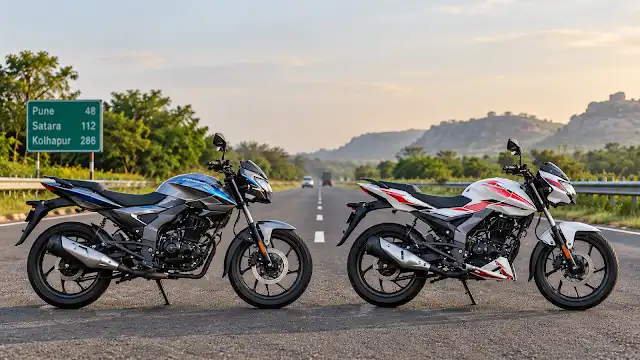
Stand next to it, and the posture still feels like the old college Pulsar. Seat height is 795 mm, so shorter riders can plant both feet flat at lights without tiptoeing.
Park it next to the previous model and the small changes jump out:
– Headlamp cowl: Sharper LED daytime running strips sit inside the familiar wolf-eye housing. The 125 keeps simple amber bulb indicators; the 150 gets sleek LED ones.
– Fuel tank: Still wide-shouldered, but the knee recesses are scooped a bit deeper for better grip. A neat engine guard hides the wiring underneath.
– Rear end: Tighter overall. The signature LED strips are slimmer and the mudguard doesn’t hang as low or look as heavy.
None of it kills the classic character. It just looks like a cleaner, better-conditioned version of the original.
New Bajaj Pulsar 150 Serious Weight Loss and Frame Update
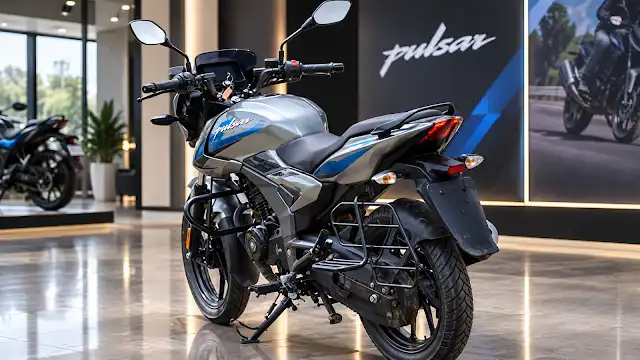
This is the biggest real change on the sheet. You’ll notice it the moment you pick the bike up off the side stand.
The Pulsar 125 is down about 10 kg to 131 kg. The 150 has lost nearly 15 kg compared with the last generation.
On paper, those numbers look dull. In evening traffic, they change everything. Weaving between autos takes almost no effort. Your wrists and shoulders stay fresher after twenty minutes of stop-go work. Engineers also trimmed roughly 6 mm from the wheelbase. It sounds minor, but with the lower weight the bike tips into corners and changes direction noticeably quicker.
Up front you get 120 mm of fork travel for potholes and flyover joints. The twin rear shocks are a touch firm, which stops the bike from wallowing when you push through a corner.
Riders stepping up into the neo-retro or scrambler space often look at premium machines—as we explored in our Triumph Tracker review in India to see if it is worth the extra premium. However, for everyday broken tarmac and low-cost city commuting, these lightweight Pulsars keep your maintenance bills firmly grounded.
Engines built for real commuting
Bajaj didn’t just rebadge the old motors. Both engines were reworked to meet tighter emission rules while keeping the low-rev punch that city riders actually use.
The 125’s air-cooled unit makes 12.1 PS and 11.4 Nm. The 150’s oil-cooled engine delivers 14.1 bhp and 14 Nm.
Nobody buys these for track days. What counts is how the power arrives when you open the throttle. Shorter bottom ratios (especially first and second) mean the motor pulls cleanly once you’re past 2,000 rpm. You don’t need to scream the engine or ride the clutch just to get across a busy roundabout.
The lighter weight also helps the fuel bills. Expect the 125 to sit around 60 kmpl in daily use. The 150 should return 50–55 kmpl in mixed traffic. Ride 35 km a day, and the difference adds up every month.
With rising petrol rates, many daily commuters often compare running costs in our Electric Scooter vs Petrol Bike: Best Choice in India breakdown. But if you prefer classic geared dynamics with genuine highway range, a 55 to 60 kmpl commuter like the updated Pulsar remains hard to beat.
Digital screens finally arrive
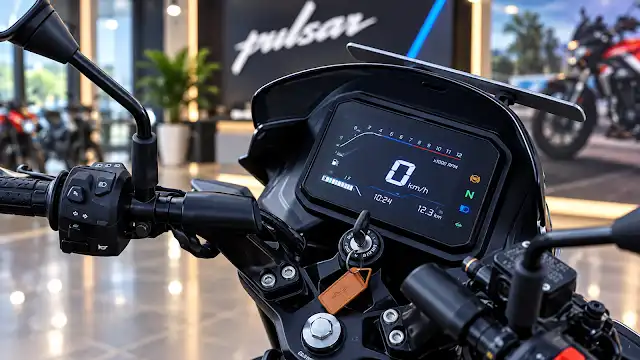
The old twin-pod dials with the orange glow and spinning needle are gone. They were part of the charm for two decades, but they had started to feel ancient.
The 125 now wears a clean 5-inch digital console with basic Bluetooth phone alerts and turn-by-turn arrows. The 150 goes further with a full-colour TFT that does screen mirroring, proper navigation, and riding modes. For bikes in this price range, having actual map guidance on the dash is a genuine plus.
Crawl Mode – the feature that shows Bajaj gets Indian traffic
One smart addition proves the engineers have sat in real metro jams: Crawl Mode.
In dead-stop traffic, your left hand usually gets tired from constant clutch work. Switch Crawl Mode on, and you can let the clutch out in first, second, or even third without touching the throttle. The bike just creeps forward at walking pace, and the electronics stop it from stalling. It takes a big chunk of stress out of evening office runs.
Two things that still annoy
No bike is perfect.
The kick-start lever still fouls the foot peg when it’s folded. Flat battery? You still have to lift the peg by hand before you can kick it. That irritation should have been fixed years ago.
On the 150, the rear tyre is now a narrower 100-section instead of the previous 120. It cuts rolling resistance and helps mileage, but the bike loses a bit of that thick, muscular look from the back.
If you want a sharper, modern streetfighter with aggressive naked styling, checking out our Bajaj Pulsar N160 review makes sense. But if classic styling, lightweight flick ability, and high daily mileage are your top priorities, the updated 125 and 150 fit the commuter bill better.
Pricing and the bottom line
The Pulsar 125 starts around ₹93,000 and goes up to roughly ₹1.04 lakh for the split-seat version. The 150 begins near ₹1.05 lakh and tops out around ₹1.23 lakh with the full TFT setup.
Bajaj played this one smart. They kept the shape that made the name famous and fixed the bits that had grown old: the extra bulk, the ancient dials, and the soggy city manners. If you want a practical daily bike that handles broken roads without drinking fuel, the new Pulsars make a lot of sense.
FAQs
What mileage do the new Pulsar 125 and 150 return?
The 125 sits around 60 kmpl in normal city riding. The 150 manages 50–55 kmpl thanks largely to the weight reduction.
Does the Pulsar 150 get Google navigation?
Yes. It has a colour TFT screen with Bluetooth and route map mirroring.
How much lighter are the updated models?
The 125 is down about 10 kg. The 150 has shed roughly 15 kg from the previous chassis.