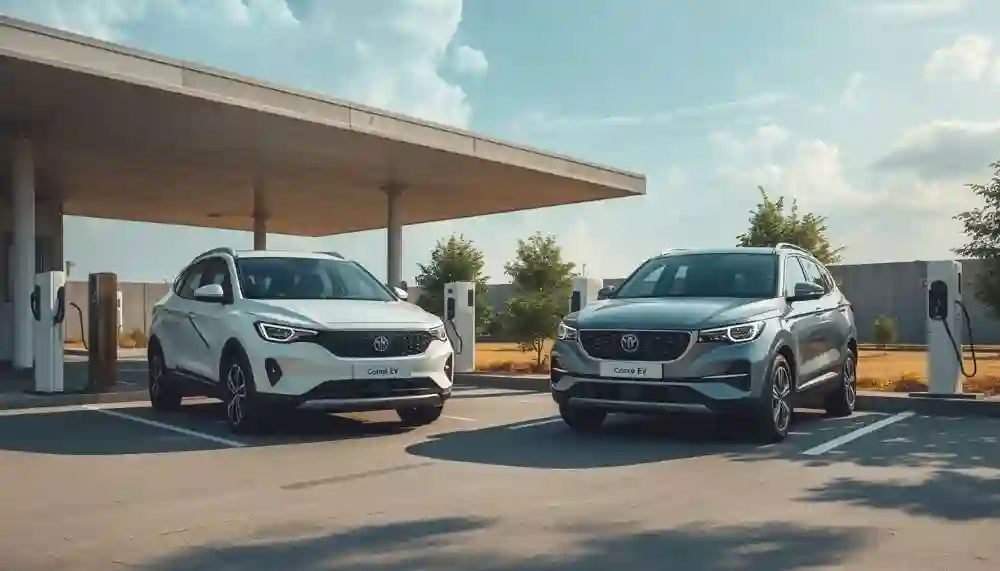
Petrol car sales are falling fast across the country. Walk into any local car showroom right now, and the sales team looks visibly stressed. For over three decades, picking a plain petrol hatchback or compact SUV was the simplest choice in our country. You paid your token money, took delivery in a week, and drove off happy. Straight up, that era is ending fast.
Dealership stockyards on the outskirts of major metros are choking on unsold pure petrol vehicles. Meanwhile, families hunting for a factory-fitted CNG runabout or a neat city EV are put on long waiting lists. If you plan to buy a vehicle during the upcoming festival rush, you need to understand this silent churn. It could easily save you anywhere between ₹50,000 and ₹1.5 lakh on a brand-new set of wheels.
Why Petrol Car Sales Slowdown Left Dealer Yards Drowning in Metal
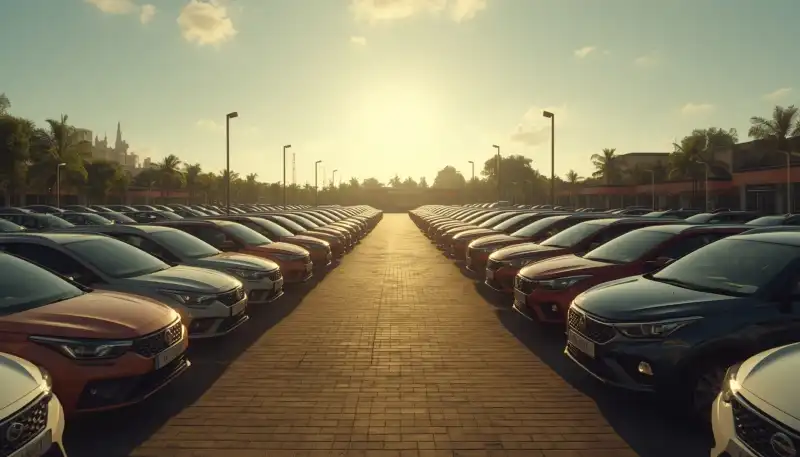
According to monthly dealer reports tracked by automotive retail groups, dealership inventory across India has ballooned past the 50 to 70-day mark for pure petrol variants. Under healthy market conditions, a showroom owner feels comfortable holding around 30 to 40 days of rolling metal. Anything beyond two months turns into a financial bleed.
Dealers take hefty inventory loans from private banks to stock these machines on their open yards. When those cars refuse to leave the showroom floor, monthly interest charges quietly eat their operating margins alive. In stark contrast, everyday practical alternatives are flying out of showrooms faster than plants can assemble them:
- Pure Petrol Sedans and Hatchbacks: Hundreds of units sit baking under the afternoon sun, pushing inventory holding past sixty days.
- Factory-Fitted CNG Vehicles: Dealership lots run super lean at roughly 10 to 12 days of stock, with buyers willingly paying booking advances.
- Electric Commuters: Inventory turns over inside two weeks, driven by urban commuters who want total immunity from petrol pump runs.
The E20 Ethanol Shock and Sky-High Running Costs
Why did everyday Indian car buyers suddenly turn their backs on regular petrol engines? Honestly, it boils down to daily wallet pinch and ethanol-blend anxiety.
The nationwide push towards E20 fuel has made buyers very cautious. Regular drivers stuck in crawling peak-hour metro traffic report a clear drop in fuel mileage on ethanol-heavy petrol. Pair that lower fuel economy with pump prices sitting well north of ₹100 per litre, and running a normal naturally aspirated petrol engine ends up costing roughly ₹8.50 to ₹9.50 per kilometre.
Compare that to a factory CNG runabout. With natural gas, your running cost drops down to about ₹3.20 to ₹3.80 per kilometre. Think about someone clocking a standard 40-kilometre round-trip commute between home and office every single working day. That running-cost difference easily totals ₹6,000 to ₹7,000 every single month. To be fair, that is more than half of a monthly bank EMI on the best cars under 5 lakh in India. People are simply unwilling to take a punt on uncertain engine longevity. and poor fuel mileage when proven fuel-savers sit parked in the very same showroom.
Maruti Suzuki’s Big Move: Factory CNG With AMT Automatics
Car manufacturers can clearly read the writing on the wall. Maruti Suzuki, which commands the lion’s share of entry-level sales, knows pure petrol engines can no longer pull volume numbers by themselves.
The company is now finalising plans to link its Automated Manual Transmission (AMT) directly to factory-fitted CNG models. Tata Motors already proved that this market exists by rolling out twin-cylinder CNG automatics. Until now, if you lived in a crowded city and desperately wanted an automatic on a sane budget, you had no real choice. You either bought a thirsty petrol automatic or stretched your savings into the electric territory.
Maruti offering factory CNG with an AMT gearbox completely flips the script. It gives daily office-goers two-pedal driving comfort in heavy traffic without having to deal with the horrible fuel bills of standard petrol cars. For high-mileage drivers, pairing low running costs with a clutch less pedal is practically unbeatable.
The Manufacturing Lag: Why Automakers Cannot Pivot Overnight
A lot of folks ask a very fair question: if pure petrol is not selling, why don’t car companies just stop rolling them out of factories tomorrow?
Manufacturing cars does not work like a domestic water tap. You cannot just twist a knob and shut off production instantly. Car factories sign vendor contracts and issue purchase orders six to eight months in advance. Engine blocks, pistons, fuel rails, wiring harnesses, and ECU chips are ordered in bulk long before a car hits an assembly belt.
Automakers need at least three to six months to retool conveyor lines, renegotiate component supplies, and ramp up alternative platforms. While plants slowly adjust their schedules, thousands of petrol cars keep rolling off the line, heading straight into already stuffed dealer backlots.
Festival Discounts: What Should Smart Buyers Do Right Now?
This huge mismatch between factory dispatches and actual customer demand creates a massive opening for bargain hunters.
As the festive season lands, dealerships will feel extreme heat to clear this sitting stock. Showrooms will want to dump older petrol inventory before calendar year-end depreciation knocks value down further.
If your yearly running is low—say, you only drive 4,000 to 6,000 kilometres a year for weekend grocery runs and holiday visits—buying a heavily discounted petrol hatchback makes absolute financial sense. You can negotiate fat dealer cash discounts, free accessory packs, and subsidized insurance.
However, if you drive over 35 kilometres daily, do not let flashy showroom discounts lure you into an inefficient setup. Looking at practical long-term value, hunting down factory CNG automatics, clean hybrid options, or even browsing through our guide on the best cars under 15 lakh will save you far more money over a five-year ownership span. Petrol engines are not disappearing overnight, but the golden days of selling barebones petrol runabouts without big price cuts are officially done and dusted.
Frequently Asked Questions
Why are petrol cars piling up at dealerships? Simple: demand shifted fast. High fuel prices and worries over E20 ethanol mileage pushed everyday buyers towards factory CNG and electric options. Because car plants plan component batches months in advance, petrol models kept arriving even as showroom footfall for them dropped.
Is E20 fuel really bad for petrol engines? Not necessarily for modern engines built to take it. But out on crowded city roads, many drivers notice lower fuel economy on ethanol-blended fuel. That drop in real-world mileage makes daily running noticeably more expensive.
Are pure petrol cars going to be banned in India? No. Pure petrol isn’t facing a sudden ban. Carmakers are simply adding more alternatives—like factory-fitted CNG, strong hybrids, and EVs—because buyers want lower running costs rather than plain petrol power.
Will Maruti launch CNG with an automatic gearbox? Yes. Maruti is working to pair Automated Manual Transmissions (AMT) directly with factory-fitted CNG variants. That will give urban drivers clutch less driving without paying standard petrol fuel bills.
Should I buy a petrol car during the festival sales? If you drive under 5,000 kilometres a year, absolutely. Dealerships will offer massive cash discounts and free accessories to clear out sitting stock. But if you commute long distances daily, CNG or electric will save you far more money over time.