Buying Your First Car in India? A Practical Guide to Budget, Fuel, and Used Cars
Walking straight into a buzzing car showroom with your hard-saved money feels completely different. This first time car buyer guide India is written for anyone walking straight into a buzzing car showroom with their hard-saved money. You easily spend six months browsing auto portals, watching walkaround reviews, and arguing over dinner about fuel economy. A new car can be hard to resist: one seat behind the wheel, that fresh interior smell, and suddenly the budget you planned at home goes out the window.
Look, this is precisely where most first-time buyers walk into a massive trap.
The shiny price tag pasted across the front windscreen is barely half the financial damage. Nobody ever properly calculates the monthly bank EMIs hitting alongside insurance bills, rapid tyre wear, steep highway fuel, and those sudden mechanical repairs that crop up without warning. A decent set of wheels should sort your daily routine, not keep you awake at night wondering how to settle your credit card debt.
Before placing any hard cash as a booking token, run through these street-smart rules.
Brand-New or Second-Hand: Sorting the Maintenance Reality
Say you have tucked away roughly ₹3.5 lakh to ₹4.5 lakh in your bank account. Everyone around you will offer totally opposite advice. Your friends will tell you to drop that cash as a solid deposit on a fresh hatchback, while local mechanics swear you should buy a bigger second-hand saloon for the exact same cash.
To be fair, neither path comes risk-free.
Rolling a factory-fresh car off the forecourt brings tremendous mental peace. You never have to worry about dodgy history, skipped services, or whether the last chap abused the transmission. A solid manufacturer warranty guards your wallet against nasty mechanical failures, though brutal registration taxes and instant first-year depreciation hurt.
Taking the pre-owned path stretches your rupee towards larger sheet metal, but underlying vehicle health is everything. An ultra-cheap used bargain quickly turns into a financial bottomless pit. You pick it up on Friday, only to find dead shock absorbers, a flat battery, and worn-down tyres by Tuesday afternoon.
Sticking to motors between 3 and 6 years of age gives you a reliable middle path, assuming full authorised garage paperwork is present. Never fixate on low mileage displays alone. A well-loved family motor showing 75,000 km with regular oil flushes beats a worn-out city taxi showing a tampered 35,000 km every single day.
Before browsing pre-owned classifieds, scan our practical breakdown of used cars to avoid buying in India, so you dodge known garage nightmares.
Why You Must Never Skip an Independent Inspection
Trying to save two or three thousand rupees on an inspection is the easiest way to waste lakhs later on. Used cars look stunning under bright smartphone cameras. Dealers polish the paint, shine the dashboard plastics, and spray greasy dressing over the engine bay before you turn up.
None of that tells you what is actually happening underneath the metal.
If you are dealing with a private owner or a roadside car dealer, pay a proper independent mechanic to inspect the chassis thoroughly. A real pre-delivery inspection checks paint depth across every panel to uncover patched-up accident damage. It tests engine cylinder compression, gearbox sync, clutch wear, suspension bush play, brake disc life, and AC cooling performance under harsh midday heat.
If the technician finds nothing broken, that inspection charge is cheap insurance for your peace of mind. For folks eyeing pre-owned electric motors, our step-by-step electric car PDI checklist helps run thorough diagnostics on battery health and charging sockets.
The Fuel Dilemma: Petrol, Diesel, CNG, or Pure Electric?
Showroom floor managers will naturally pitch whatever stock is collecting dust in the compound. What genuinely dictates your purchase is your routine weekly driving pattern.
If you barely touch 1,000 to 1,200 km per month doing quick neighbourhood chores and local office commutes, standard E20 petrol remains the most fuss-free option. Routine services stay cheap, engines heat up promptly, and you avoid endless mechanical headaches.
Factory-fitted CNG only makes sense if you travel heavy distances daily and live near clean fuel stations. If your nearest gas pump sits far away with an hour-long queue of auto-rickshaws every single evening, whatever cash you save on fuel gets completely ruined by wasted hours.
Modern diesels love fast, open motorways. What absolutely kills them is short, stop-and-go 5 km city crawls. In daily rush-hour crawling, soot blocks up delicate DPF filters rapidly, bringing on dreaded limp-mode dashboard warnings and nasty garage estimates. Unless your work demands clocking beyond 2,500 to 3,000 km monthly on open bypasses, skip the oil-burner entirely.
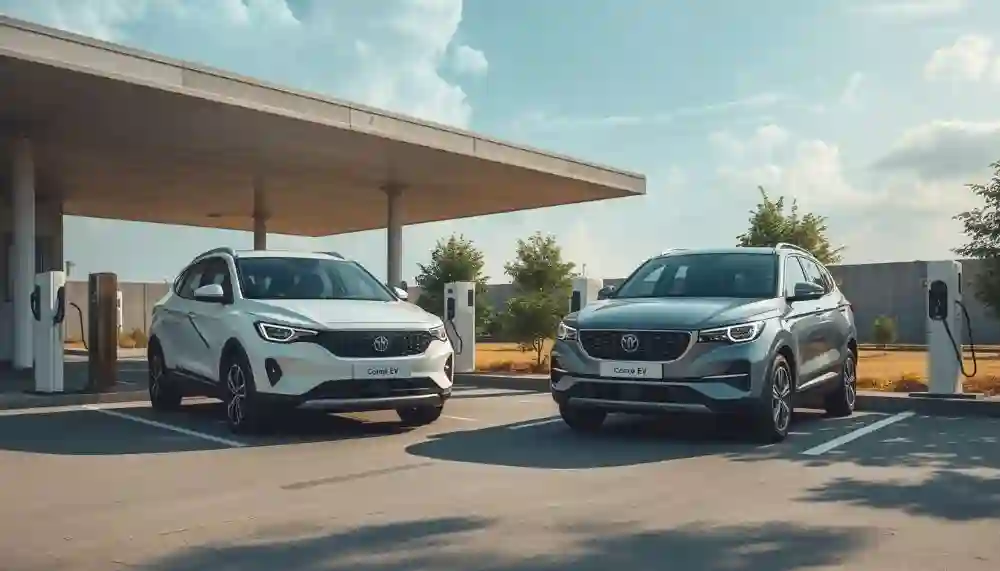
For predictable city office runs, an electric runabout is brilliant if you can charge at home overnight. To see how running costs balance out against your monthly fuel expenses, punch your daily distance into our EV vs Petrol Savings Calculator to check the real math.
The Base-to-Top Modification Trap
This is an expensive mistake that catches first-time buyers every single day. The showroom sticker price on an entry trim looks delightfully cheap, and roadside shops readily promise a top-end transformation using plug-and-play wiring looms.
A month down the road, your brand-new machine has a messy web of non-standard wires tucked behind the glovebox.
Watch out for these severe complications:
- Cancelled Electrical Warranty: The second an installer splices into factory wiring looms to hook up fancy ambient strips, dealerships instantly void your electrical coverage.
- Rejected Insurance Claims: If a cheap wire overheats and sparks a dash fire, insurance surveyors will look for unapproved wiring modifications and deny the claim.
- Resale Truth: Five years later, your vehicle registration paper still states base model. Used car evaluators will price it strictly as an entry variant, ignoring your aftermarket accessories.
Skip the aftermarket headache. Stretch a fraction more for a factory mid-spec variant that includes certified safety gear straight off the production line.
Practical New Cars Worth Your Money Under ₹10 Lakh
If you want a peaceful five-year ownership run with zero mechanical nonsense, a few sensible models get the job done properly.
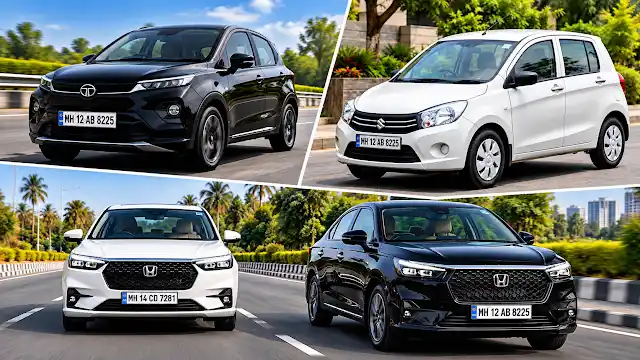
Urban commuters will love the Maruti Suzuki Celerio for its tiny footprint, light steering, and astonishing petrol mileage. Drivers prioritising structural strength and secure highway manners should test the Tata Tiago, which tracks securely over uneven roads.
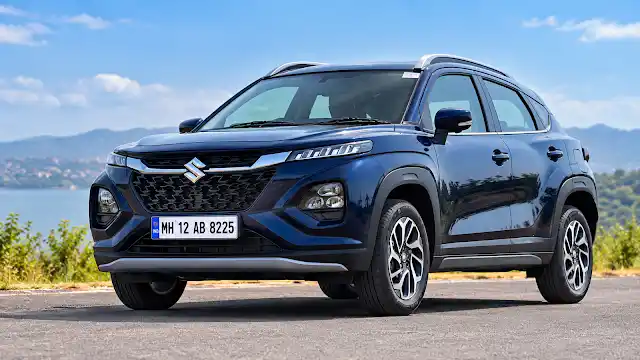
Families needing genuine boot volume can pick between the Maruti Dzire and Honda Amaze. In city jams, the Amaze paired with a CVT automatic takes all the strain out of bumper-to-bumper crawls. When nasty monsoon craters arrive, tall-riding models like the Tata Punch and Hyundai Exter keep your exhaust safe, whereas the Maruti Fronx 1.2L offers smooth four-pot petrol refinement.
Features That Actually Matter Daily
Do not let glossy showroom brochures distract you with fancy gadgets. Secure your safety essentials first: six airbags, electronic stability control, reliable ABS, reverse parking sensors, and a clean touchscreen that mirrors your phone navigation.
Living in blistering north or central Indian summers makes seat cooling and a heavy-duty air conditioning compressor genuinely life-saving. Meanwhile, massive glass roofs remain pure gimmicks here. Hot afternoon sun turns the cabin into an unbearable sauna, overworking the blower fans and ruining fuel efficiency.
Final Thoughts
Your very first car never needs to be the flashiest vehicle the bank will approve an EMI for. Work out your true monthly running costs, factor in routine maintenance, and buy a machine that leaves enough cash in your pocket to actually enjoy driving it every single day.
Quick Answers: First-Time Car Buyers
Is a second-hand car genuinely cheaper than a new one?
Initial showroom savings look tempting, yet aging mechanicals regularly demand fresh tyres, brake overhauls, or clutch replacements within months. Sum up those initial repair bills before deciding.
Will aftermarket screens void my new car warranty?
Bolt-on cosmetic parts are fine, but any accessory drawing power through spliced factory wiring harnesses will immediately void your electrical warranty coverage.
Does a diesel engine still work for everyday city runs?
Rarely. Modern diesel particulate filters need prolonged, hot highway runs to burn off accumulated soot. Repeated short city trips choke the exhaust system, creating expensive dashboard warnings.
What is the safest age bracket for a pre-owned motor?
Focus on single-owner cars roughly 3 to 6 years old with documented service stamps, rather than getting swayed by suspicious, low odometer figures.