No Insurance No Petrol Rule India – Is Supreme Court Order Realistic?
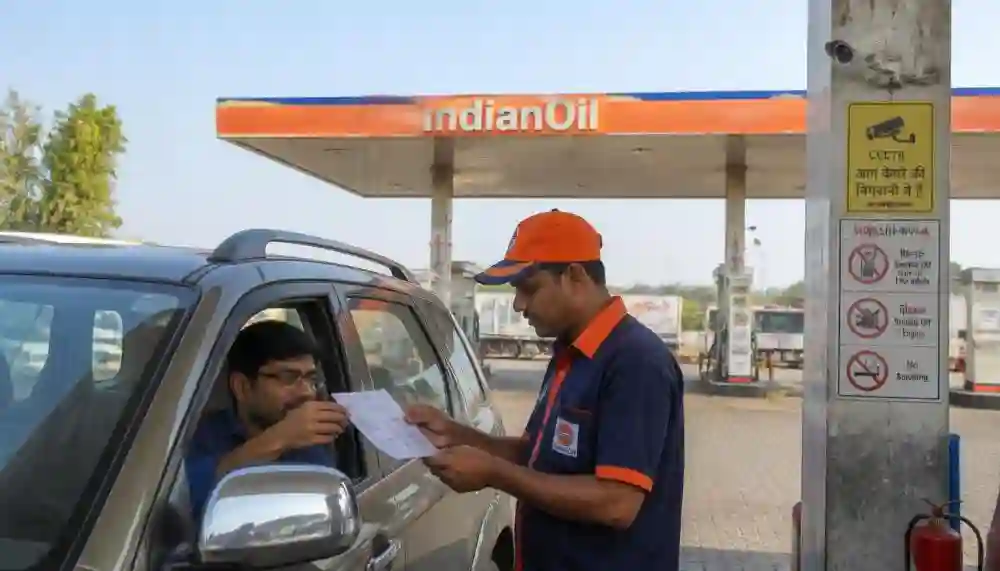
Buying a vehicle in India has always come with extra costs, but petrol pump visits used to be simple. You drive in, ask for fuel, pay money, and leave. Nobody checked your boot, nobody asked for registration papers, and nobody cared if your pollution certificate was valid for three more days or expired yesterday. That simplicity might be ending very soon.
Discussions around the No Insurance No Petrol Rule in India are causing huge worry for millions of vehicle owners. On August 4, 2026, a Supreme Court bench comprising Justice Sanjay Karol and Justice Prashant Kumar Mishra directed the Ministry of Road Transport and Highways (Mo RTH) and IRDAI to design a pilot project linking fuel supply to valid vehicle insurance. On paper, preventing uninsured vehicles from running sounds fair. In reality, hand-delivering power to local fuel station boys without proper digital infrastructure is going to create chaos.
Also Read: E20 Petrol India: Will Your Car Suffer?
The Shocking Numbers Behind the Supreme Court Order
People who do not drive every day might wonder why top judges are getting involved in petrol pump operations. The official numbers explain the worry quite clearly. According to the Standing Committee on Finance Report (2024-25), as cited by the Supreme Court, India currently has 30.48 crore registered vehicles on its roads. Of these, a massive 16.54 crore vehicles—roughly 56 percent—are plying without valid third-party insurance.
When an uninsured bike or car hits someone, medical bills can destroy a family. Victims spend lakhs from personal savings, sell family jewellery, or take high-interest private loans for hospital stays. If someone suffers permanent physical disability or loses life, insurance companies simply decline help because no policy premium was paid. Victims get nothing from court cases that drag on for ten to fifteen years. While the Supreme Court sought to safeguard innocent road users, assigning traffic enforcement responsibilities to private petrol pumps may lead to practical and operational difficulties.
Extended Mandatory Third-Party Insurance for New Vehicles
To stop vehicles from slipping into uninsured status after initial years, the Supreme Court extended the compulsory third-party insurance period at the time of purchasing new vehicles. This builds upon the court’s historic 2018 ruling.
Vehicle Category | Previous Requirement | New Supreme Court Mandate | Extra Upfront Cost Impact |
|---|---|---|---|
New 2-Wheelers (Bikes/Scooters) | 5 Years Third-Party | 6 Full Years Third-Party | + ₹2,000 to ₹3,500 upfront |
New 4-Wheelers (Cars/SUVs) | 3 Years Third-Party | 4 Full Years Third-Party | + ₹4,500 to ₹8,000 upfront |
This change directly hurts middle-class buyers:
- Upfront Price Shock: Buying a basic ₹1 lakh commuter motorcycle will need over ₹12,000 to ₹15,000 paid instantly for mandatory insurance alone.
- Resale Value Loss: Owners who sell their vehicles after only two or three years may have already paid for six years of insurance upfront, with limited or no opportunity to recover the unused premium through pro-rata refunds.
- High On-Road Costs: Budget car buyers face higher showroom delivery costs before even turning the ignition key.
Bottom Section Mein:Related Read: E85 Flex Fuel vs E20 Petrol: Is Ethanol-Blended Worth Buying?
Ground Level Technical Realities & Fights at Petrol Pumps
Asking fuel attendants to verify insurance sounds easy in courtrooms, but ground reality at Indian petrol pumps is completely different.
1. Network Failure & App Server Crashes
Most petrol stations in tier-2 cities and rural national highways struggle with basic internet connectivity. Digital UPI payments fail regularly due to server timeouts. Requiring pump attendants to check live mParivahan or VAHAN records for every motorcycle could create significant delays and long queues at fuel stations.
2. Power Misuse by Attendants
Fuel station workers earning basic monthly wages will suddenly hold authority to deny fuel. Daily commuters fear harassment, demands for extra cash tips, and physical fights during morning peak office rush hours.
3. Black Market of Fake PDF Certificates
Easy access to printing facilities at roadside computer shops and cyber cafes could make it simpler to create and circulate fraudulent insurance PDF documents. Pump workers standing under the hot sun cannot verify whether a printed policy document is genuine or forged within 15 seconds.
Supreme Court’s Tech Push: ANPR Cameras & Handheld Scanners
Given the challenges associated with manual verification by pump attendants, the Supreme Court directed a three-way technology-based integration system.
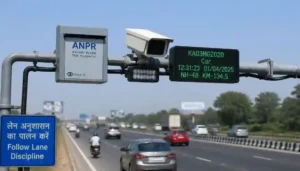
- ANPR Highway Camera Integration: Automatic Number Plate Recognition (ANPR) cameras already installed on national highways for speed checking will be linked directly to the VAHAN database and Insurance Information Bureau (IIB).
- Automatic E-Challans: Uninsured vehicles passing under highway cameras will receive automated digital fines directly on the owner’s mobile number.
- Police Handheld Devices: Traffic police officers will be equipped with specialized handheld scanners and mobile applications connected to IIB data to verify policy validity instantly on the spot.
What Government Should Do Before Full Rollout
Implementing stringent regulations without proper planning for execution can lead to public resistance. Authorities should follow a systematic approach to ensure effective implementation.
- City-Based Pilot Testing: Test the system in a single metro city (like Chandigarh or Bengaluru) for six months to spot database bugs.
- 4-Layer Policy Standardisation: Roll out IRDAI’s proposed policy standardisation system to make motor insurance choices clearer, with separate options for third-party liability, owner-driver accident cover, and own-damage insurance.
- 100% VAHAN Database Syncing: Fix delay issues between insurance companies and RTO servers where renewed policies take 3-4 days to reflect online.
Frequently Asked Questions
Can petrol pumps legally refuse petrol without insurance?
Under new Supreme Court recommendations, a pilot project is being designed where petrol pumps can deny fuel to uninsured vehicles to enforce statutory compliance under Section 146 of the Motor Vehicles Act.
How will petrol pumps check my insurance status?
The proposed pilot scheme intends to use ANPR cameras and digital VAHAN / Insurance Information Bureau database lookups instead of manual paper checking by station boys.
Why did SC increase bike insurance to 6 years?
The court extended mandatory third-party insurance to 6 years for new two-wheelers and 4 years for new cars to ensure vehicles remain insured during their initial operational years.