Isobutanol in Diesel India – Is Your Engine Going to Feel It?

Petrol people in India have been stressed for years. First E10 came, then everyone started talking about E20. Service centres, WhatsApp groups, parking lot chats – same complaints every time. Fuel lines getting damaged, water in the tank, mileage going down, older cars not liking the higher ethanol. Diesel drivers just sat there and watched. Truck drivers, bus operators, farmers with tractors, people with BS6 diesel SUVs – all of them thought they were safe. Diesel is diesel, right? Nobody mixes anything in it. That calm feeling is finishing now.
The government is seriously looking at putting isobutanol into normal diesel. They have talked about trials, the Bureau of Indian Standards making rules, maybe a 10 percent blend, some people even mentioning higher numbers. The official reasons sound good – save money on crude oil imports, reduce pollution, give sugar mills one more product after ethanol. On paper it looks smart. Inside the engine it is not so simple.
Also Read:E20 Petrol India: Will Your Car Suffer?
The Main Problem: Cetane Value Drop
The main problem is something called cetane number. Petrol people know octane. Higher octane means the fuel does not knock easily. In diesel engines, the situation is quite the opposite. Diesel needs to catch fire quickly when it is sprayed into hot compressed air. Higher cetane means it starts burning faster and cleaner. You get a smoother idle, better mileage, less smoke, and the fuel system lasts longer.
Normal diesel in India is usually somewhere between 40 and 55 cetane. Well-produced biodiesel from used cooking oil can achieve a cetane number between 50 and 65. Isobutanol is only 15 to 25. When you mix that low number into diesel, the whole blend’s cetane drops. Fuel takes longer to ignite. Burning is not complete. More unburnt stuff and soot come out. The engine has to work harder, runs a bit rough, and those expensive high-pressure injectors and pumps take an extra beating.
For many years, Brazil has extensively used ethanol as a blend component in petrol. Despite this, isobutanol has not been adopted on a large scale in commercial diesel. The reason is simple – modern common-rail systems and fine injector nozzles do not like low-cetane alcohol for long periods. Wear increases. India is now thinking of doing the same thing.
Where Iso butanol Comes From
Isobutanol is not a new chemical. It is produced as a by-product during the processing of sugarcane molasses in the same facilities that already manufacture ethanol for petrol. While sugar mills can generate additional revenue, vehicle owners may bear the costs through increased maintenance needs and reduced fuel economy, creating an uneven distribution of benefits.
How Different Vehicles Will Feel the Impact
Not every diesel vehicle will suffer the same way, but most will feel something.
Heavy Commercial Vehicles
Big trucks and intercity buses will notice mileage drop first. Fleet owners already work on tight margins. Even 5-8 percent less mileage plus more filter changes and earlier injector work adds up fast when you have many vehicles.
Farm Tractors and Agricultural Equipment
Operating tractors for ploughing or irrigation raises the cost per hour of use, while continuous heavy loading increases engine wear and shortens engine life.
BS6 Diesel Cars and SUVs
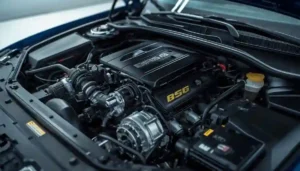
Modern BS6 cars and SUVs are the most sensitive because their injectors are very precise and they have diesel particulate filters. Cold starts can become rough, the car feels lazy when you try to overtake or climb with load, and the DPF warning light starts coming on more often.
Generators and Industrial Engines
Even generators in housing societies and factories will need more cleaning because incomplete combustion leaves more deposits.
Why Freight and Grocery Prices Will Rise
There is another effect that goes beyond the engine. When trucks and buses spend more on diesel and repairs, transport rates go up. Almost everything we buy travels by road – wheat and rice from the north, vegetables from different states, milk, clothes, cement, everything. Rising freight costs are eventually passed on to local Kirana shops. One decision about fuel blending can push up daily prices a little.
 Symptoms You Will Notice While Driving
 Symptoms You Will Notice While Driving
Regular diesel drivers can often detect small changes in vehicle performance before a significant issue arises.
- On cold mornings, s the engine takes longer to settle and shakes a bit more because the fuel is slow to catch fire.
- When you need power from low speed or going uphill with people and luggage, the vehicle feels flatter.
- On BS6 cars, Rs the particulate filter works harder because more soot is made, so the light that used to come only after long highway trips starts appearing in normal city driving also.
A Better Alternative: Biodiesel from Used Cooking Oil
There is a better option already available in India. Hotels, restaurants, canteens, and homes throw away huge amounts of used cooking oil every month. If that oil is turned into biodiesel, you get a high-cetane fuel that actually helps combustion instead of hurting it. If the plan is 10 percent isobutanol, maxi ng similar amount of biodiesel along with it would keep the cetane number safer. Right now the focus seems more on the sugar mill product. Used cooking oil biodiesel is still not used as much as it could be.
This does not mean every diesel will break the day isobutanol comes to the pump. Final percentage, exact rules, and whether they force cetane improver additives will decide a lot. But the direction is clear. Reduced cetane quality can contribute to greater stress on the fuel system, including injectors, pumps, filters, and diesel particulate systems. Mileage will come down a bit. Service intervals will become shorter. Running costs will go up.
Related Read: E85 Flex Fuel vs E20 Petrol: Is Ethanol-Blended Worth Buying?
How to Protect Your Diesel Vehicle
Whether you drive a diesel truck, tractor, bus, or personal car, following a few simple steps can help improve performance and reliability.
- Check fuel quality more carefully at the pump.
- Replace fuel filters on schedule and avoid extending their use beyond the manufacturer’s recommended interval.
- Think about using a good cetane booster additive till the final blend rules become clear.
- Keep proper service records so if wear increases faster you have proof.
The comfortable days for diesel are ending. What happens next depends on how carefully they make the final blend and whether they fix the cetane drop properly. Both engine life and monthly expenses are at risk.
Frequently Asked Questions
What is isobutanol blended diesel?
Normal diesel mixed with isobutanol, which is an alcohol that comes from sugarcane molasses processing.
How does it affect the engine?
Low cetane makes the fuel ignite slowly. Mileage drops, low-end power feels less, idle becomes rough, and injectors and pumps wear faster.
Is biodiesel better for diesel engines?
Yes. Proper biodiesel has high cetane. It burns cleaner, makes less soot, and is gentler on injectors and the particulate filter than a low-cetane alcohol blend.
Will this increase grocery prices?
Indirectly yes. Higher fuel and repair costs for trucks usually mean higher freight rates. Most essential goods are transported by road, so these additional costs eventually reach the prices consumers pay at local shops.