E20, E85 and the Future of Petrol Cars in India – What Happens to Older Vehicles?
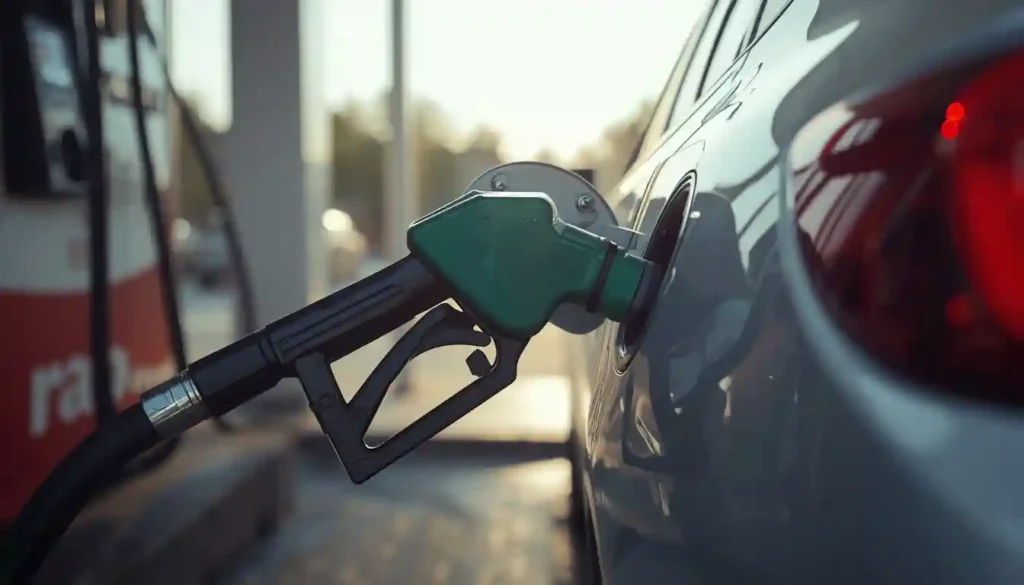
I was at a local petrol pump the other day. One man was filling his three-year-old hatchback and looked very stressed. His car was made for normal petrol. But the pump only had E20 Petrol India. Right now, millions of car owners in India are asking the same thing. Is my costly petrol car going to become scrap before its real life finishes?
E20 is available almost everywhere now. Talk about E25, E35, and E85 is also increasing. Buyers are confused. So, what’s really going on? We’ll examine ethanol’s effect on engines, uncover the reasons behind falling mileage, and find out which car offers the best value in today’s conditions.
Why People Are Worried About E20. The main problem is not only the technology. The concern isn’t the change itself—it’s how rapidly the government rolled it out.
The earlier plan was 20% ethanol by 2030. Then they brought it forward by five years. Suddenly, E20 became the only petrol at most pumps. In other countries, pumps still keep pure petrol or E10 for old cars. In India, normal petrol almost disappeared overnight. Old car owners got no option.
Car owners already pay high road tax, registration and GST. But lower mileage and possible engine wear costs are now fully on the owner. The official side says E20 is safe for modern engines. But many city drivers are seeing a clear mileage drop and slow engine response.
What Ethanol Does Inside the Engine
Ethanol absorbs water from air very easily. This creates different problems for different cars.
Normal daily cars
Ethanol has less energy than pure petrol. The lower energy content means the engine has to burn more fuel to maintain the same power and performance. Official estimates suggest the drop is between 2% and 6%. But in real city driving, many people see 5% to 12% less mileage. It depends on how you drive and how old the car is.
Luxury and performance cars
These cars have high-pressure direct injection. If the car stays parked for many days with E20, fuel can separate. Water starts damaging fuel lines and blocking injectors. Starting becomes hard. Pure 100-octane petrol in big cities now costs more than ₹180 per litre. Very expensive even for rich people.
Old classic and vintage cars
These cars have rubber pipes, gaskets, and brass parts made only for pure petrol. Ethanol slowly eats the rubber. Fuel starts leaking. Finding spare parts for classic cars is already a challenge, and many components need to be custom-manufactured. So ethanol becomes a big problem for collectors.
Reality of E85 Flex-Fuel Cars
A lot of conversation is happening around E85 and E100 flex-fuel cars and their role in the future of mobility. But does it really save money?
Simple look:
- Pure petrol: Full energy, no corrosion, but almost not available now
- E20 petrol: 2% to 6% mileage loss (real world often more), mandatory everywhere
- E85 flex-fuel: 24% to 30% mileage loss, needs special engine, currently ₹20 cheaper per litre than E20
Real tests show E85 gives 24% to 30% less mileage because ethanol has lower energy. Flex-fuel cars are more expensive by about ₹80,000 to ₹1 lakh because they need special materials, upgraded sensors, and software changes to handle different fuel blends.
The government made E85 ₹20 cheaper to attract buyers. But unless the price difference becomes around 30% or more in all states, the big mileage loss cancels most savings.
What Car Should You Buy Now?
Petrol is becoming unpredictable. Diesel may also get is butanol or biodiesel blending later. So where to spend money today?
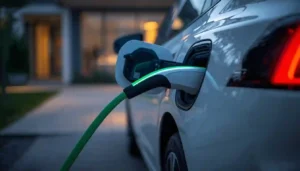
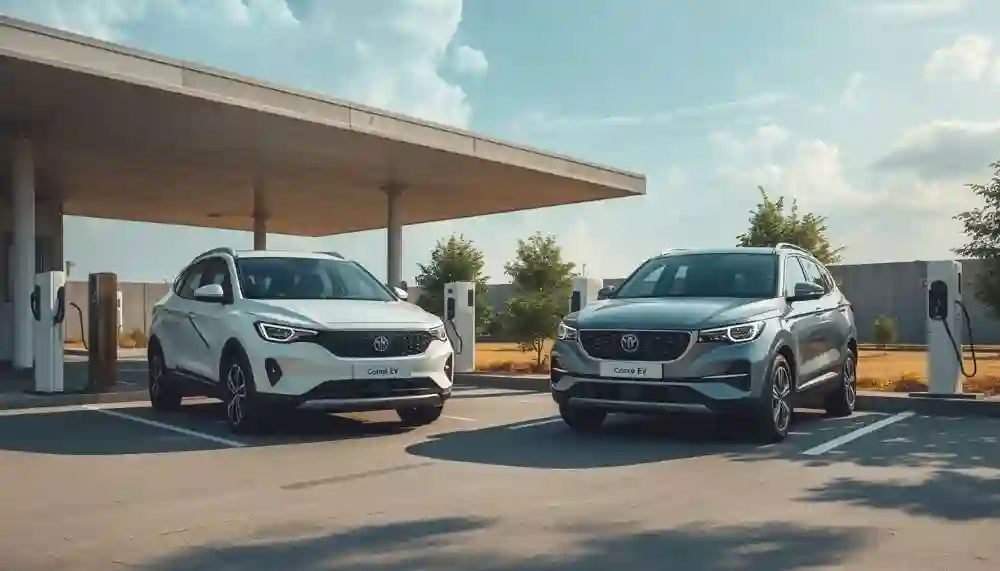
Electric cars
Public charging on highways is still not reliable. It’s common to encounter long queues and chargers that are out of service. EV is good only if you can charge at home every night.
Self-charging hybrids
These cars are costly because of 43% GST. But efficiency is very good and no range worry. It makes the most sense for frequent highway driving.
Factory CNG cars
You do lose some boot space, but in return, you get a significantly lower cost per kilometre. Safest and cheapest for people who drive a lot inside the city every day.
Final Words
Fuel rules in India are changing very fast. Buyers are left confused. Until older cars have access to separate E10 or pure petrol, buyers will need to be extra careful when choosing their next vehicle.
If you only drive inside the city, a home-charged EV or factory CNG car will save you from all ethanol problems. If you travel long distances on highways often and want no range tension, a self-charging hybrid is still the most practical choice today.
Common Questions
1. Will E20 immediately destroy my older car engine?
No. Filling E20 once or twice will not break the engine. While the effects may not be immediate, long-term use can speed up rubber seal deterioration, clog injectors, and noticeably lower mileage.
2. What is the difference between E20 and E85?
E20 has 20% ethanol and 80% petrol. E85 has 85% ethanol and 15% petrol. E85 needs a special flex-fuel engine with anti-corrosion parts.
3. How much mileage drop on E85?
Usually 24% to 30% less than normal petrol because ethanol has lower energy.
4. Can a regular petrol engine handle E85, or does it require a flex-fuel system?
No. Never. It can cause starting problems, damage fuel lines, and permanently harm the engine.
5. Which car is safest in this fuel confusion?
Home-charged EVs, self-charging hybrids, and factory CNG cars offer alternatives that are not affected by ethanol blending in petrol.