Walk into any car showroom today and mention three cylinders, and you will see buyers immediately make a face. The internet did what it always does when Maruti swapped out the smooth four-cylinder K-Series motor—everyone started shouting about cheap cost-cutting. But reading an honest Maruti 3 cylinder engine review tells a very different story. Is ditching one piston on massive sellers like the Baleno, Swift, and Dzire actually a disaster, or does the workshop logic make sense?
Look, we spent proper seat time living with this new Z-Series petrol motor through chaotic town gridlock and open toll stretches to give you the honest verdict.

Why Did Maruti Cut the Fourth Piston?
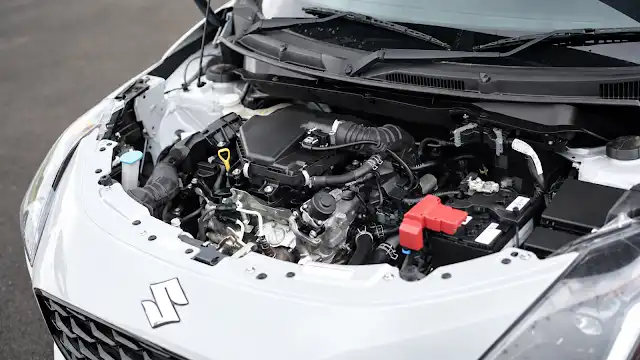
Engineering teams do not throw away award-winning engines just to irritate buyers. The outgoing four-cylinder unit was an absolute gem, but forcing it to meet incoming BS7 emission norms and tight fuel efficiency mandates would have added huge costs and complex plumbing under the bonnet.
Dropping down to three cylinders allowed Maruti to increase thermal efficiency inside each combustion chamber. It feels like an upgrade disguised as a compromise. On paper, peak power drops slightly. Out in daily traffic, however, it pushes out punchy low-end pulling power right where urban drivers crawl 90% of the working week.
Maruti 3 Cylinder Engine Review: City Crawls vs Expressway Overtakes
Your overall satisfaction with this motor comes down to your regular driving routes:
- In Crawling Town Traffic: The engine feels lively and quick off the mark. It picks up smoothly without demanding heavy throttle, so your left foot is not endlessly working the clutch plate.
- Out on Open Motorways: This is where the missing cylinder shows up. Pack the cabin with four adults and boot bags, and passing moves need prior planning. You must step down firmly on the accelerator pedal, and on steep highway inclines, shifting down a gear is mandatory to find working momentum.
- Engine Shakes and Vibration: At idle, there is a minor thrum through the floorboards typical of uneven cylinder firing orders. Maruti fitted hydraulic engine mounts to absorb the shake, so once the wheels roll, the cabin stays quiet.
Before heading into any dealership for paperwork, always keep our smart car buying guide handy so you never sign for unnecessary dealer add-ons.
Real Mileage Checks: Do You Actually Save Fuel?
Put simply, yes—though your local traffic jam makes all the difference.
Crawling through messy peak-hour jams, this Z-Series motor squeezed out an extra 1 to 2 km from every single litre compared to older test cars. Hit a flat motorway at an easy 80 km/h, and the gap closes up fast, mainly because highway air resistance still makes the engine burn standard fuel. Treat the accelerator gently, though, and your monthly fuel runs will genuinely cost less.
Big News: Factory CNG Getting an AMT Automatic Box
Maruti is finally fixing the biggest headache for gas buyers by pairing an AMT automatic gearbox directly with factory-fitted CNG.
For years, picking a cheap CNG pump run meant nursing a heavy left leg on a clutch pedal all day long. Getting rid of that third pedal while keeping gas mileage intact changes the whole game for office commuters. This new setup lands first across the Baleno, Swift, and Dzire range.
- Daily Practicality: CNG trims naturally lose a fraction of engine punch, and an AMT does not snap through gears like a dual-clutch unit. Yet, for bumper-to-bumper office commutes, skipping manual shifts while burning cheap gas is a massive relief.
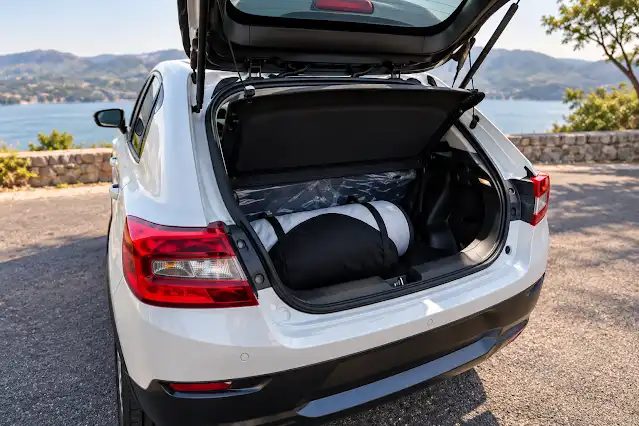
- Boot Luggage Room: Maruti is sticking with a conventional large steel tank inside the boot rather than twin underfloor cylinders, so luggage space remains tight.
If you are running the maths on running costs between clean fuels and battery power, check our detailed report on CNG cars in India to see how monthly costs stack up.
Which Variant Deserves Your Hard-Earned Cash?
If you have decided on a Baleno, picking the right trim requires caution:
- Skip the Base Sigma Trim: It arrives stripped of basic comfort gear. Splicing third-party wires for accessory screens or speakers can instantly void factory wiring warranties and trigger insurance claim rejections.
- The Sensible Money Pick (Zeta Trim): Step up to the Zeta instead. You get factory screens, proper wiring, and essential airbags without handing the dealer silly money for gadgets you will never switch on.
Want our hands-on take on the cabin plastics, cooled seats, and boot room? Read our full Maruti Baleno review before signing any booking forms.
The Practical Verdict
Is the three-cylinder Z-Series engine a downgrade? If you spend your weekends racing across expressways, yes, the older four-cylinder unit pulled harder at the redline. But for daily Indian commuters tackling potholes, chasing high mileage, and wanting future-proof emission safety, this new engine does the job properly. Once the CNG AMT option arrives on showroom floors, it will be tough to beat for daily city utility.
Quick Buyer FAQs
Will this three-cylinder motor pack up early? Far from it. Volkswagen, Tata, and Skoda have sold three-pot motors on Indian roads for well over a decade. Maruti built this one to take routine abuse while staying clean for tight government emission tests.
Can you actually overtake on the highway with five people on board? Cruising quietly at 100 km/h is easy work. The struggle only starts when you spot an open gap behind a slow truck—you will need to plan ahead and kick down a gear to get past cleanly.
When is the Maruti Baleno CNG AMT launching? Dealer training is already underway, with launches expected around the festive season across the Baleno, Swift, and Dzire range.