Picking up an electric car from the showroom feels brilliant on day one. You step on the pedal, head snaps back, and the cabin stays dead quiet. No petrol smells. You honestly feel like you’ve cracked some cheat code long before real EV highway problems ever cross your mind.
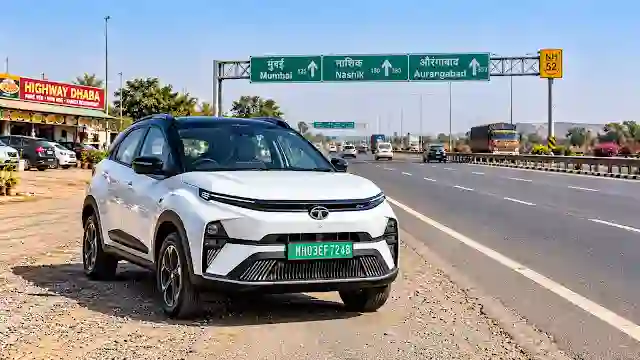
We have run ours for two solid years now. Clicked past 55,000 km just last Tuesday. Bumper-to-bumper city runs, late-night highway sprints, massive monsoon storms—we’ve done it all. City driving is still great. But long-distance touring? Mate, that’s where the showroom brochures flat-out lie.
Sales staff only care about their commission targets. They won’t warn you about greasy, jammed charging guns at 2 in the morning. Here is the blunt truth of living with an EV once the novelty wears off.
The “Plan the Plan” Route Headache
Long runs in an old petrol or diesel car are dead easy. Toss a bag in the boot, crank the key, get on the highway. Tank running empty? Pull into literally any fuel pump, fill up in three minutes, grab a chai, gone.
Do that with an electric car, and you are asking for trouble. Long road trips turn into proper logistics exams before you even leave the driveway. You cannot rely on a single plug on your map. You need a main stop, a solid backup 15 km ahead, and you better ring the destination hotel to verify their 15-amp wall socket actually works.
Show up at your charger and find it offline, blocked by a diesel cab, or frozen on a software screen? You’re stuck. Stranded on the tarmac. To avoid juggling half a dozen messy mobile apps on the road, we check our Near EV Charging Station Tool before rolling out. It maps live working plugs right on your corridor so you aren’t left praying on a pitch-black bypass.
Public Chargers: Real EV Highway Problems You Face
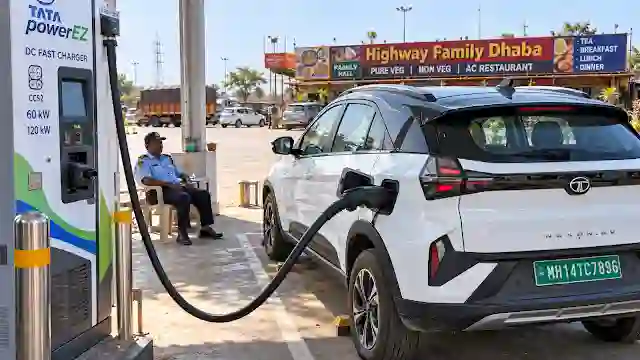 At normal petrol pumps, an attendant runs out and sorts everything while you sit inside with the air-con blasting.
Rapid DC chargers along open highways? Pure DIY. You pull into the bay under 44-degree summer heat or heavy rain. Step out in the dirt and fight with thick, greasy, 10-kilo high-voltage cables yourself.
Most highway charging spots just have an old night watchman sitting on a plastic stool. Decent blokes, but zero clue about high-voltage tech. They might wave you into the bay. But if the charger screen freezes or the RFID card won’t read, they just shrug. You are left dialling useless call centre numbers in the dark.
After six hours of driving, wrestling filthy cables in the mud gets old very quickly. My partner and I constantly argue over who has to step out into the rain to hook it up. Until charging firms station properly trained technicians at these highway stops, public charging remains a messy chore.
High-Speed Range Drop: The 100 km/h Reality
Instant electric torque makes it way too tempting to plant your right foot and sit at 110 or 120 km/h on open tarmac.
Petrol engines love cruising at 100 km/h in top gear—barely burning fuel. Electric cars have no multi-speed gearboxes. Past 90 km/h, the motor spins at stupidly high RPMs just to fight wind drag. That literally guzzles battery power.
Stick to 85 or 90 km/h, and your range holds up nicely. Push past 110 km/h, and watch the dashboard range figure plummet right in front of your eyes. It is alarming. Before setting off on fast expressway runs, run your planned cruising pace through our Petrol vs EV Cost Calculator to see how quickly the battery economics flip against liquid fuel.
To stay sane, we use a strict 50% battery buffer rule. We never let the battery drop below 20% before searching for a plug. The second the dash shows 50%, we open our Near EV Charging Station Tool and lock in our next stop. If that charger is completely dead, we still have enough juice to limp to our backup.
The Routine Service Invoice: Paying Labour for Zero Work
Electric cars have no engine oil, no spark plugs, no fan belts, no exhaust silencer. Naturally, you think garage bills will be next to nothing.
Enter the warranty trap. Most manufacturers demand you bring the car into the workshop every 10,000 km on the dot. Miss a single service stamp, and they threaten to void your 8-year traction battery warranty. Since replacing that pack costs nearly half the vehicle’s original sticker price, you don’t dare skip it.
So you roll into the service bay. What do the mechanics actually do? Swap a cheap pollen filter, squirt windscreen washer fluid, plug an OBD tablet in to clear codes, and take it for a 500-metre test lap.
Then the bill lands: ₹4,000 to ₹5,000. Look closely at the tax invoice—more than ₹2,500 of that is pure general labour charges, billed at the exact same rate as an engine overhaul. Paying heavy workshop labour just to inspect dry wiring is ridiculous. Brands like Tesla only call cars in when sensors detect real wear. Local car makers need to bin these forced 10,000 km cash-grabs.
Tyres, Acoustic Foam, and the Nitrogen Trick
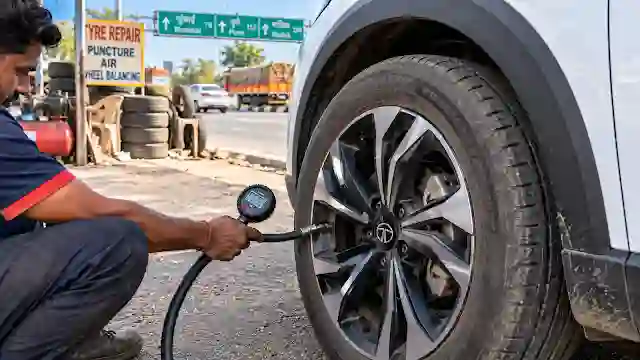 Electric cars weigh a tonne because of that massive slab of battery cells bolted to the chassis. Pair that heavy kerb weight with instant torque off the line, and your tyres take a severe hammering.
To keep road roar from ruining the silent cabin, car companies fit soft-compound tyres lined with acoustic foam inside. They grip well and kill road noise, but they wear down rapidly. Replacing a full set will burn a huge hole in your pocket, quickly offsetting the cash you imagined you were saving on fuel bills.
During our first year, the low tyre pressure warning lit up our cluster every couple of weeks. Heavy weight and soft rubber resulted in constant micro air seepage.
Ditching standard air for pure Nitrogen completely sorted it. Nitrogen runs much cooler over long highway runs and doesn’t seep through the bead. We put Nitrogen in a couple of months back—zero low-pressure warnings since, and the car tracks far more planted over rough tarmac.
Quick Answers (FAQ)
Why does fast cruising kill an EV’s range so fast?
Electric cars run a single-speed gearbox. Pushing past 90 km/h forces the motor to spin at high revs against highway air resistance, pulling massive continuous current and tanking your dash range much faster than city traffic.
How do I locate working chargers on open roads without panicking?
Don’t waste time checking four different apps while steering. Use our Near EV Charging Station Tool before rolling out to verify live high-speed fast chargers and nearby backup stops along your corridor.
Does Nitrogen actually make a difference in EV tyres?
Yes, absolutely. Heavy EV battery packs build up tyre heat on fast expressway stretches, causing standard compressed air to leak past soft rubber beads. Nitrogen runs cooler and holds steady pressure.
Can local roadside mechanics service an electric car?
Never let an independent roadside garage touch your electric car’s guts. Those thick orange cables carry lethal high voltage. Diagnostics and electrical inspections must stay with authorised company service centres to protect your battery warranty.