E20 Petrol in India – Mileage Drop, Old Cars and Fuel System Worries
E20 petrol is showing up at more and more pumps these days. Many car and bike owners are now asking the same basic question: is this fuel actually okay for my vehicle?
For most buyers, mileage is the first thing they look at. Some have seen their km/l numbers fall a bit. Others are more worried about what higher ethanol might do to the fuel pump, hoses, seals, and injectors — especially if the vehicle is older.
There’s no one-size-fits-all answer. A newer car designed for higher ethanol blends is in a different situation from an older model built when petrol had much less ethanol in it.
So before we start blaming E20 for every small problem, it helps to understand what actually changes when the ethanol percentage goes up.
Why mileage can drop with E20
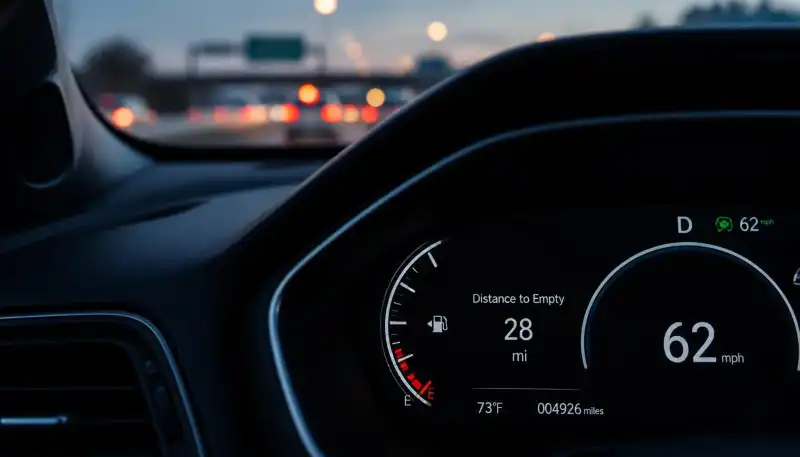
The reason is pretty straightforward. Ethanol has less energy per litre than normal petrol.
When the fuel contains more ethanol, the engine often has to burn a little extra to make the same power. Modern engines can adjust the mixture, but they can’t create energy that isn’t in the fuel to begin with.
That’s why some vehicles show a small drop in fuel economy on E20. The difference won’t be the same for every machine though — a small hatchback, a big SUV and a motorcycle all behave differently.
Plenty of other things also affect mileage: traffic, driving style, tyre pressure, AC use, road conditions. A modest fall after switching to E20 doesn’t automatically mean something is wrong with the engine.
What about older fuel system parts?
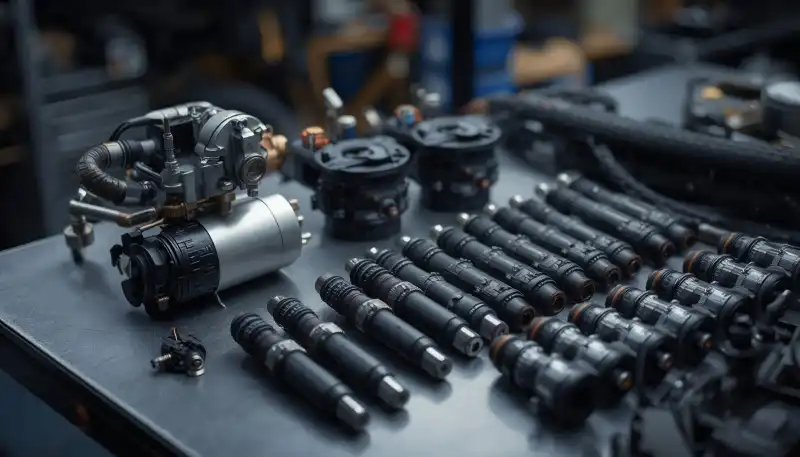
This is the bigger concern for people still running older petrol cars and bikes.
Ethanol doesn’t behave exactly the same as pure petrol when it sits against certain materials for a long time. Many older fuel system parts were made when petrol had far less ethanol.
Rubber hoses, seals, gaskets and some plastic components can be exposed to the fuel for years. Depending on the material and how worn they already are, higher ethanol can speed up wear.
That doesn’t mean every old car is going to develop problems. Two vehicles of similar age can have completely different fuel systems. One may run fine on E20, while another has parts that are more sensitive.
Condition matters a lot. An old hose that’s already cracked or soft is more likely to give trouble than a healthy part.
Keep an eye out for the usual signs: strong petrol smell, visible leaks, hard starting, hesitation, or repeated misfires. These need proper checking — don’t just assume E20 is the cause.
Water contamination and E20
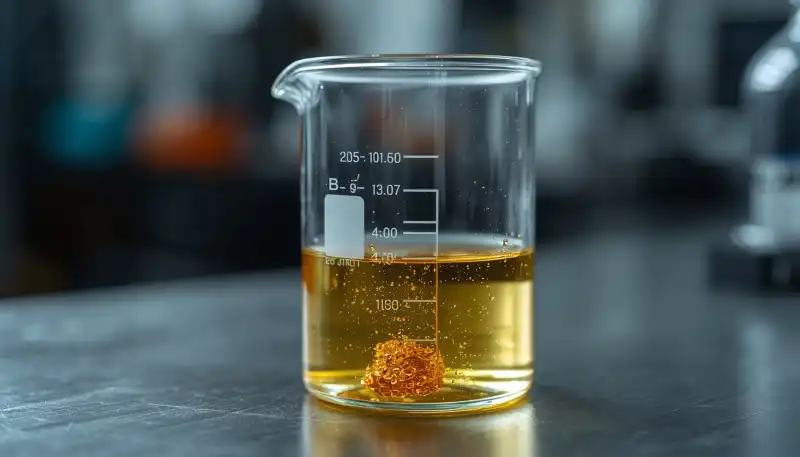
Water is another real issue, especially during monsoon.
Ethanol absorbs water. If enough water mixes into the fuel, the blend can become unstable and separate (phase separation). The water and ethanol can settle at the bottom of the tank. If that contaminated fuel reaches the engine, you may notice rough running, hesitation, misfires, or difficulty starting. In serious cases, it can also damage fuel system parts.
Normal rain or humidity won’t automatically create this problem. You need a significant amount of water contamination for serious phase separation. Good fuel storage and handling at the petrol station still matter.
If the vehicle suddenly starts behaving differently right after a fill-up, get the fuel checked instead of immediately blaming E20.
Which vehicles need more attention?
You’ll often hear people say every petrol car made before a certain year is unsuitable for E20. That’s too simplistic.
Manufacturers have used different engines, materials and fuel systems over the years. Even cars from the same period can have different specifications. Some older vehicles handle ethanol blends better than others.
Here’s a practical way to look at it:
| Vehicle type | What you should check |
|---|---|
| Older petrol cars | Ethanol blend recommended by the manufacturer |
| Newer E20-compatible cars | Fuel recommendation in the owner’s manual |
| Older motorcycles & scooters | Exact model’s fuel specification |
| Very old petrol vehicles | Confirm the approved ethanol blend before assuming |
The year of manufacture only gives a rough idea. The owner’s manual is a much better place to start. The manufacturer may also publish fuel compatibility information. If you still can’t find a clear answer, an authorised service centre can usually confirm it. For car owners trying to balance ongoing fuel quality shifts against total long-term maintenance budgets, reading about the broader car ownership dilemmas Indian drivers face provides useful context on how ownership costs evolve over time.
What makes an E20-ready car different?
Cars designed for E20 were developed with higher ethanol in mind. The manufacturer can choose fuel system materials that cope with it, and the engine calibration is set up around that fuel.
That gives them an advantage as E20 becomes more common.
One important point though: being E20-compatible does not mean the car will always give the same mileage it used to on lower-ethanol petrol. Ethanol still has less energy per litre, so even a purpose-built E20 vehicle can show some change in fuel economy. Compatibility and mileage are two different things.
Can E20 destroy an older petrol engine?
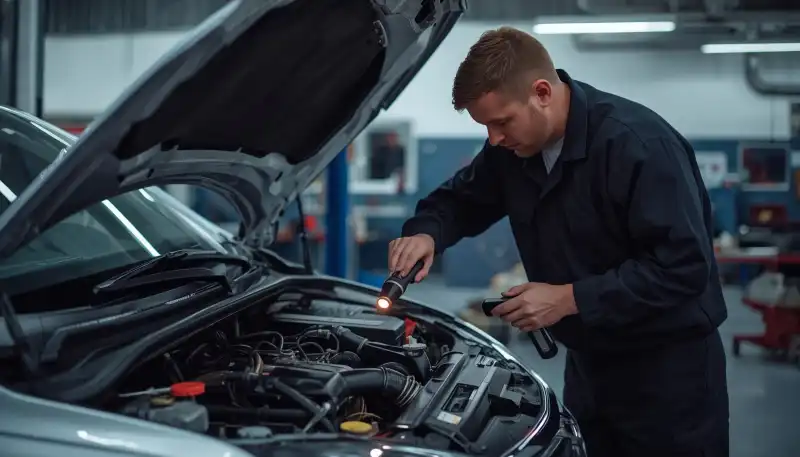
There are plenty of dramatic claims online that make it sound like pouring E20 into an old car will immediately wreck the engine. That’s an exaggeration.
E20 does not automatically destroy every older petrol engine. The bigger long-term concern is the parts that stay in constant contact with the fuel — hoses, seals, gaskets, fuel pumps, and injectors. If the vehicle was never designed for higher ethanol, some of these parts may wear faster over time.
Even then, failure is not guaranteed. It depends on the specific vehicle, the condition of its parts, and the materials used by the manufacturer.
If your car isn’t approved for E20, the sensible thing is to follow the manufacturer’s recommendation. A general statement about “all old cars” won’t give you the right answer for your particular model.
Warranty questions
Warranty claims can become complicated when a fuel system part fails.
A manufacturer may treat a defective component differently from damage caused by contaminated fuel. If a workshop finds contaminated fuel in the system, they will usually want to investigate the cause before deciding whether the repair is covered.
Keeping fuel bills and service records helps in these situations.
Repair costs also vary a lot. A fuel pump for one model can cost very different from another. The same applies to injectors, hoses, and other parts. There is no single repair cost that every E20 user should expect. If you are currently shopping the market and deciding between petrol, hybrid, or EV platforms to avoid fuel-related uncertainties, checking our detailed guide to buying a car in India will help you assess overall powertrain reliability and running expenses.
Simple habits that help
There’s no need to panic every time you see an E20 label at the pump. A few practical habits go a long way:
- Check the manufacturer’s recommendation. Start with the owner’s manual. Look for the recommended ethanol blend or the type of petrol approved for your vehicle. If the manual isn’t clear, contact the manufacturer or an authorised service centre. This is especially useful for older cars, motorcycles and scooters.
- Choose a reliable petrol station. Prefer busy, established stations where fuel turns over quickly. Contaminated fuel can cause problems whether it contains ethanol or not. If the vehicle starts running badly soon after filling up, keep the receipt — it can be useful if the fuel needs testing or a complaint has to be made.
- Stick to the normal service schedule. There’s a lot of advice online telling people to change fuel filters much earlier because of E20. Don’t alter the manufacturer’s schedule just because of internet posts. Follow the recommended maintenance. If an inspection finds a blocked filter, damaged hose, or another real problem, the mechanic can advise the correct repair.
- Don’t ignore warning signs. Watch for:
- Strong petrol smell
- Visible fuel leakage
- Difficult starting
- Repeated misfires
- Engine hesitation
- Rough running
- Unusual engine behaviour
These symptoms can have several different causes. A proper inspection is the best way to find out what’s actually wrong.
Quick answers people keep asking
Will E20 permanently damage every pre-2023 car?
No, not at all. There’s no one rule for every old car. It really depends on the fuel system design, the materials used, and what ethanol level that particular model was made for. Just check what the manufacturer says for your exact car.
Why does mileage sometimes drop with E20?
Simple reason — ethanol has less energy per litre than normal petrol. So the engine often burns a bit more fuel to make the same power. How much it drops depends on your car and how you drive.
Does XP95 or premium petrol mean zero ethanol?
No. Octane rating and ethanol content are different things. Higher octane just means it resists knocking better. It can still have ethanol in it. Premium doesn’t automatically mean ethanol-free.
Should I put some ethanol-removing additive?
Usually not needed. Don’t add anything just because you’re using E20. If you still want to try an additive, first check if it’s okay for your vehicle and whether the company actually recommends it. Extra stuff may not fix the issue you’re worried about.
What should older petrol car owners do now?
Don’t decide only by looking at the year of the car. Open the owner’s manual and see what ethanol blend your model is approved for. If it’s not clear, just ask the manufacturer or an authorised service centre. Safer than assuming every old car will behave the same with E20.
Bottom line
E20 is changing the petrol sold across India, but it doesn’t mean every older car or motorcycle will suddenly develop serious problems.
Newer E20-compatible vehicles are designed to work with higher ethanol blends. Older vehicles need a little more attention because their fuel system materials and design may have been intended for lower ethanol levels.
A small change in mileage can happen simply because ethanol contains less energy per litre. That is different from a fuel system failure.
For owners of older petrol vehicles, the practical approach is simple: check the manufacturer’s fuel recommendation, use fuel from reliable stations, and follow the normal service schedule.
If you notice a fuel smell, leakage, difficult starting, misfires, or unusual engine behaviour, get the vehicle inspected. Don’t assume E20 is responsible before the actual cause is found.
The useful middle path is to understand the real limits of E20 — without believing either that it is completely harmless for every old vehicle or that it will automatically destroy every older petrol engine.