CNG vs Diesel Cars India: What the Multi-Fuel Shift Means for Car Buyers
For decades, Indian car buyers chasing low running costs had a straightforward formula: buy a diesel saloon or hatchback and enjoy high fuel economy. But over the last financial year, that old buying habit flipped completely. Factory-fitted CNG passenger vehicle sales crossed 10.46 lakh units, leaving passenger diesel cars behind at roughly 8.50 lakh units—giving gas-powered saloons and crossovers a massive 25% lead over traditional diesel burners.
Before deciding which powertrain matches your daily commute and long-term running costs, our car buying guide for India provides a practical breakdown of ownership expenses across different vehicle segments.
Why Indian motorists are picking CNG over diesel power
When Maruti Suzuki decided to drop small diesel engines entirely ahead of BS6 emission norms, industry analysts thought the market leader would bleed massive volumes. Instead, Maruti doubled down on factory-fitted CNG across its mass-market hatchbacks, family MPVs, and premium Nexa portfolio. That gamble paid off, largely because of practical consumer realities:
- Dual-Fuel Security: Unlike diesel, a CNG vehicle keeps a standard petrol tank intact. If a regional gas station runs out of fuel or queues spill onto the highway, you simply switch to petrol on the go without worrying about getting stranded.
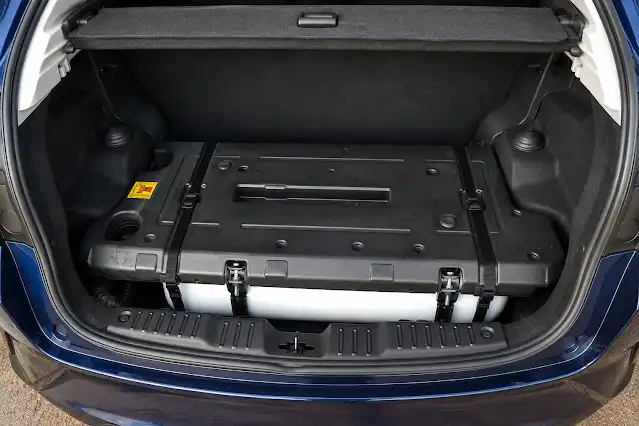
- Engineering Away the Boot Space Penalty: The single biggest complaint against early CNG cars was losing all luggage room to an enormous steel cylinder. Tata broke this barrier by introducing twin split cylinders under the boot floor, Hyundai quickly adopted the same layout, and Maruti pushed further by mounting tanks underneath the vehicle body on newer models like the Victoris.
- Mahindra Carries the Diesel Weight: Diesel sales are no longer distributed evenly across carmakers. Mahindra alone now commands roughly 57% of all passenger diesel sales in India, keeping the fuel alive through large body-on-frame SUVs while brands like Maruti, Honda, and Renault-Nissan have dropped diesel completely.
To keep tabs on which upcoming clean-energy models and strong hybrid platforms are arriving soon, explore our updated tracker on upcoming electric and hybrid cars in India.
The reality of fuel infrastructure: CNG pumps vs EV chargers
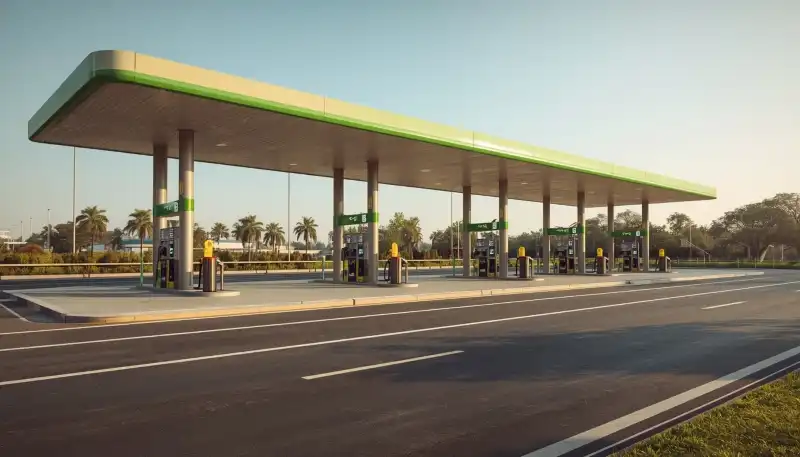
Even though CNG cars are selling in record volumes, fueling infrastructure still struggles to keep pace in smaller towns. India currently has fewer than 10,000 operational CNG stations nationwide. On popular tourist routes like the Delhi-Dehradun corridor, finding a pump often involves waiting in hour-long queues.
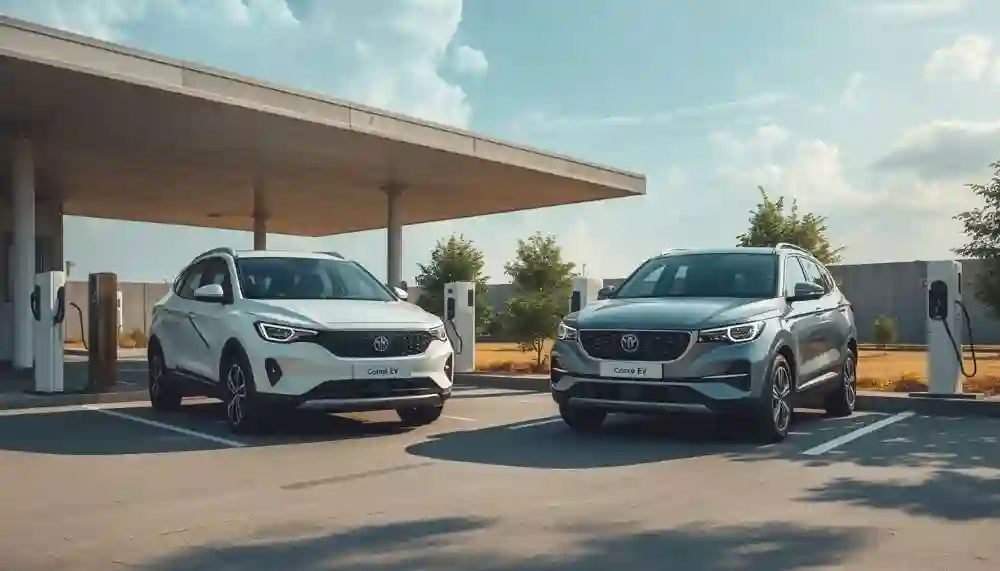
Electric vehicles present an interesting contrast. While pure electric passenger cars account for around 4 lakh total units on the road compared to the 10-lakh-plus annual run rate of CNG, the country has already set up more than 45,000 public EV chargers. Per car on the road, electric models actually have higher access to public charging plugs than CNG cars have to fuel nozzles.
At the same time, clean-air regulations are speeding up this transition. In the National Capital Region, draft proposals looking ahead toward 2028 have caused panic among private buyers, driving regional electric vehicle market share past 20% in recent months while shrinking diesel market share to single digits.
Market battles: Maruti Suzuki, Tata, and Mahindra

Maruti’s overall domestic market share recently dipped below 40%, down from its historic peak of nearly 50%. While Maruti still sells high raw numbers of petrol and CNG cars, its slower rollout of mass-market battery models gave homegrown rivals a head start.
Tata and Mahindra now consistently deliver 5,000 to 10,000 electric vehicles every single month. Tata covers the mass-market spectrum with the Punch and Nexon, while Mahindra has aggressive battery plans to rival luxury badges on performance while maintaining aggressive domestic pricing.
New global entrants highlight two very different strategies for India:
- VinFast’s Local Manufacturing: The Vietnamese automaker invested directly in Indian assembly plants and manufacturing infrastructure, allowing it to quickly rank among the top four monthly EV sellers.
- Tesla’s Import Route: By avoiding local manufacturing commitments and choosing to import fully built units (CBUs), Tesla managed only around 43 unit deliveries in recent monthly figures.
Hyundai’s Post-IPO Strategy and the Battery Chemistry War
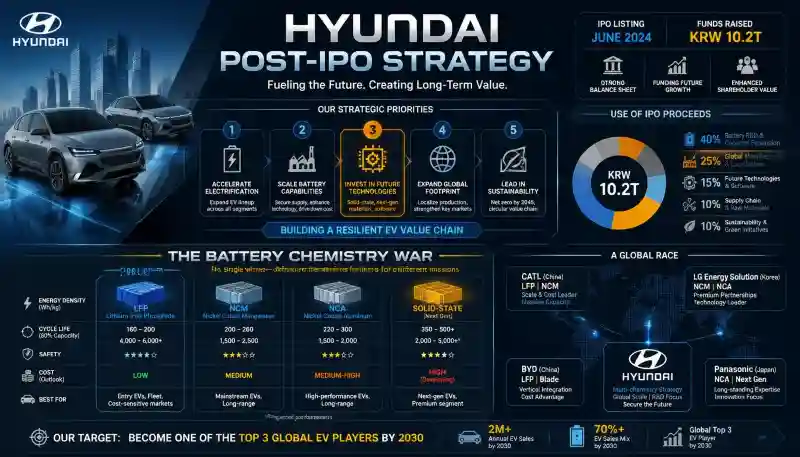
Hyundai recently shifted from second to fourth in monthly volume rankings, but this move reflects a calculated corporate pivot. Following its multi-billion-dollar stock market listing, the Korean brand is prioritizing profit margins over raw vanity sales numbers. Rather than chasing slim margins in the budget small car segment, Hyundai is leaning heavily on profitable SUVs like the Creta and Venue.
On the battery front, a major technology shift is underway. Early international EVs relied on Nickel Manganese Cobalt (NMC) chemistries, which deliver strong power but carry high manufacturing costs and shorter cycle life. As Indian buyers demand long-term battery peace of mind with 15-year standard warranties, automakers are moving toward Lithium Iron Phosphate (LFP) packs, which cost less to manufacture and handle hot Indian weather cycles far better.
The Road Ahead for the Next Two Decades
India will not become a single-fuel car market overnight. For the next twenty years, multiple drivetrains will coexist on Indian roads. Petrol and dual-fuel CNG will remain the practical backbone for middle-class commuters, strong hybrids will expand across midsize family crossovers, and electric vehicles will capture dense city traffic. Diesel will continue serving large four-wheel-drive ladder-frame SUVs, but its reign as the default fuel for everyday Indian motorists has officially come to an end.
Common questions answered
Why did CNG sales overtake diesel passenger cars in India?
Factory-fitted CNG delivers significantly lower running costs per kilometre, eliminates single-fuel range anxiety with an active petrol backup, and avoids the strict 10-year scrap rules applied to older diesel cars in metro regions.
How does luggage space work in modern dual-cylinder CNG cars?
Instead of one large cylinder taking up the entire boot, manufacturers install two smaller cylinders underneath the luggage floorboard, leaving a flat boot floor that accommodates regular suitcases.
Will diesel cars be banned completely across India?
There is no nationwide ban planned for diesel passenger cars. However, tightening emission standards, corporate average fuel economy targets, and city-level clean air policies mean fewer carmakers will offer small-capacity diesel engines moving forward.