Best Cars for Bad Roads in India
Look, ground clearance numbers get all the hype. But numbers lie if your approach angle scrapes every speed bump or if the engine stalls at 1,100 RPM. Before jumping into showroom deals, it pays to consult a grounded EV buying guide to understand how different chassis and motor types handle daily punishment. You simply need a machine built for where your wheels actually roll every morning.
Why Chassis Type Changes Everything
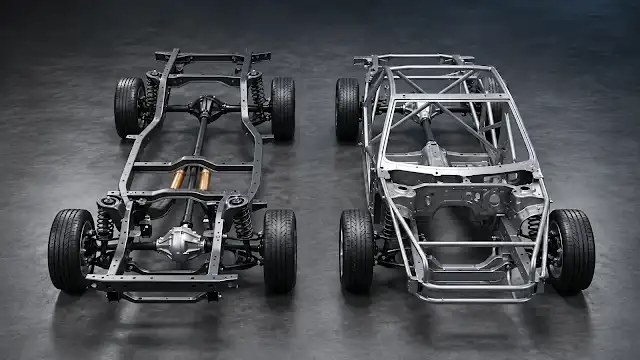
Nearly every modern family crossover uses a monocoque shell. That just means the entire body and frame are stamped as one piece. On clean motorways, it rides like a proper saloon car.
Take it down bone-jarring gravel every day, though, and things change. The suspension bushes start wearing down, and dashboard panels begin buzzing within three years.
Ladder-frame vehicles handle this differently. The engine, gearbox, and axles bolt straight onto a heavy steel ladder, with the cabin simply resting on top. It feels agricultural on tarmac, to be fair. But when you slam into an unseen pothole, that heavy steel ladder takes the beating instead of twisting your passenger cabin.
Machines Built for Proper Broken Tarmac
Out in rural belts, the Mahindra Bolero remains unbeatable. Solid rear-wheel drive, basic diesel grunt, and leaf-sprung durability mean it takes years of punishment without falling apart. It lacks fancy gadgets, and frankly, that is why it survives.
If you want family comfort without rattles, cars like the Tata Nexon, Mahindra XUV 3XO, and Maruti Brezza do a decent job on city craters. The Brezza keeps repair bills tiny, while the Nexon soaks up high-speed dips properly. You can explore how these modern compact platforms compare against upcoming battery setups in our breakdown of electric SUV reviews.
Even high-riding saloons like the Slavia or Virtus struggle here. Long front overhangs mean you will constantly scrape that plastic lip on steep ditch climbs.
What Actually Works on Mountain Roads
Driving uphill roads is not about top speed. It comes down to basic physics. You need bumpers tucked tightly against the wheels. The Maruti S-Presso looks quirky, but its tiny overhangs mean it scrambles up broken hill tracks where expensive cars drag their chins.
When climbing steep hairpins, car weight shifts backwards. Rear-wheel drive pushes the car uphill with solid tyre grip. Front-wheel drive cars often spin their tyres on wet hill gravel. You also need usable torque between 1,200 and 1,600 RPM so you do not burn your clutch plate on tight hairpins.
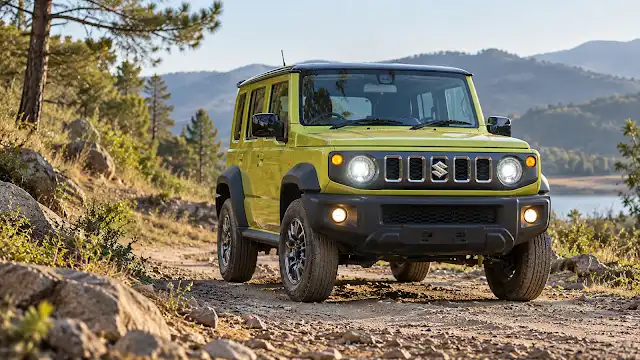
For proper mountain tracks full of rockfalls and slush, the Maruti Jimny sits in its own league. Narrow body, solid live axles, and proper low-range 4×4 keep it moving where bulkier SUVs get wedged.
Quick Terrain & Drivetrain Reference
| Road Condition | Recommended Hardware | Real-World Car Picks |
|---|---|---|
| Deep Village Ruts | Heavy Ladder-Frame with RWD | Mahindra Bolero, Bolero Neo |
| Broken City Asphalt | Tough Monocoque with Good Travel | Tata Nexon, Maruti Brezza |
| Rocky Mountain Passes | Narrow 4×4 with Low-Range Gear | Maruti Jimny, Mahindra Thar |
| Paved Hill Climbing | Instant Torque EV or Torque Converter | Tata Nexon EV, Creta Turbo AT |
Can You Trust an AMT Automatic on Hills?
Straight up: an AMT is not an automatic gearbox. It is a standard manual box with electronic motors handling the clutch for you.
In slow city crawling, it saves your left knee. On a steep mountain hairpin, an AMT gets confused. It pauses, drops momentum right when you need to pull, and rolls backwards if your hill-hold assist lags.
If you own an AMT, flick it straight into manual mode on mountain runs. Select first or second gear yourself. If you are shopping fresh for hill country, pick a proper torque-converter automatic or a punchy turbo petrol with a CVT. They climb smoothly without sudden power dips.
What About Electric Cars on Gradients?
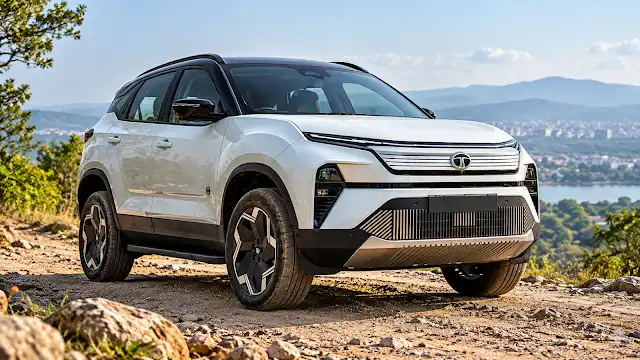
Electric cars possess a massive mechanical advantage on hills: instant pulling torque from zero RPM. Step on the throttle and real-world performers like the Tata Nexon EV walk up a 20% gradient without engine strain, turbo lag, or clutch wear.
Just keep two things in mind. The battery pack sits under the floorboards, so keep clear of sharp boulders. Climbing also drains battery percentage fast, though you recover a decent chunk through regenerative braking on the way down.
Buy a car for the actual road outside your front gate, not the glossy marketing advert. If you deal with daily broken tracks, keep it simple, durable, and mechanically honest.