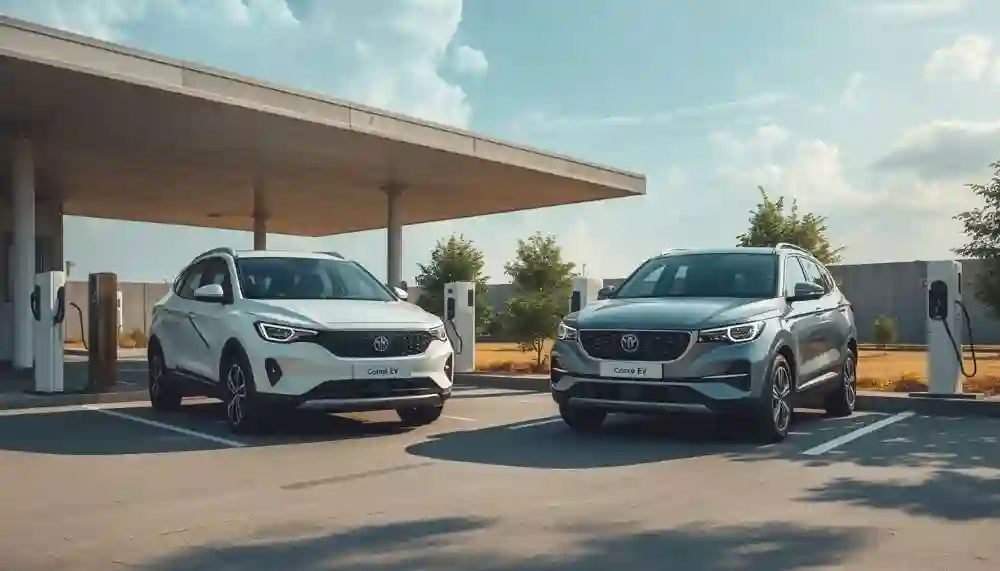
MG Hector Tomahawk 7-Seater – Can This Big SUV Really Help With Fuel Costs?
A lot of Indian families want a big seven-seater SUV. The problem is always the same – high fuel bills. The normal MG Hector looks large and has good space inside, but the running cost in cities puts many buyers off. MG is trying to do something about that. On 26 August, they are expected to show a new model. Most people are calling it the Hector Tomahawk. Some reports also mention the name Hector Hawk.
This is not a small update. The car is underpinned by a completely redesigned platform. MG already uses this platform in other countries. The carmaker aims to introduce two distinct drivetrains: a pure battery setup alongside a plug-in hybrid alternative, giving buyers generous three-row room while dodging hefty weekly fuel bills.
Size and Space
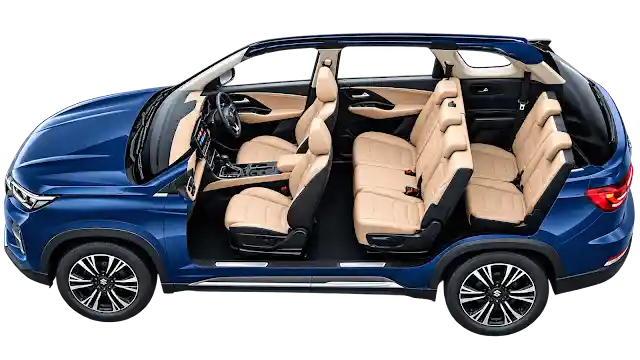
The Tomahawk is bigger than the current Hector Plus. The extra size helps the third row. Adults can sit there without feeling too tight.
Length goes up to 4,745 mm. Width becomes 1,850 mm. Height stays roughly the same. The axles sit 2,810 mm apart, gaining a full 60 mm over the older car.
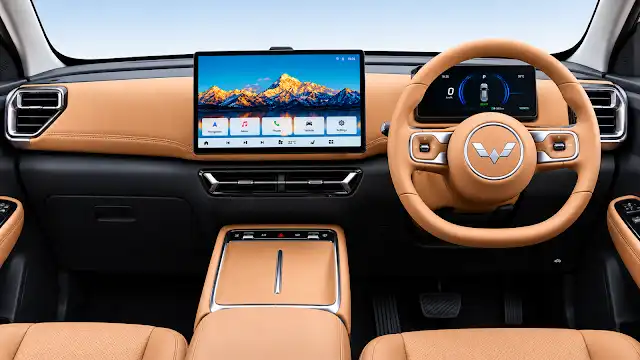
That longer wheelbase is useful. It gives better legroom in the middle and last row. Inside, you get a light beige cabin. There is a large panoramic sunroof and a new-style steering wheel. The screens look better too. You get a 12.8-inch vertical touchscreen that should respond faster. There is also an 8.8-inch digital cluster. Night drives feel safer with sharper parking sensors and lenses, paired with an electric rear hatch and dedicated blower vents for row three.
These cabin tweaks tackle the exact quirks owners kept flagging on the original Hector.
Full Electric Version
This one is for people who want to stop using petrol completely and keep maintenance low.
It comes with a 69.2 kWh LFP battery. The battery has better cooling for hot Indian weather. Official Chinese tests claim 530 km. In real Indian driving, most people will probably get around 420 to 450 km on a full charge. The car is large and heavy, so the real range will be less than the lab number. That happens with almost every electric car.
A single electric motor spins the front axle with 201 hp and 310 Nm of torque, pulling cleanly even when carrying seven passengers. MG skipped any rear-motor or four-wheel-drive hardware here.
Plug-in Hybrid Version
Frequent highway travellers facing empty charging corridors might find the plug-in hybrid far more practical.
Under the bonnet sits a 1.5-litre petrol engine delivering 105 hp, working in tandem with a secondary electric drive and a 20.5 kWh pack. Total system output reaches 195 hp and 230 Nm. In pure electric mode, you can drive 100 to 125 km. That is enough for most daily office travel if you charge at home at night with a normal wall socket.
Once that battery runs flat, the vehicle shifts to petrol-electric cruising, returning roughly 25 to 30 km per litre on open highways. Braking energy gets fed back into the cells automatically, and the petrol motor can generate power for the battery while driving.
Tax Issue
The main problem for the plug-in hybrid is tax. Pure electric cars pay only 5% GST. Plug-in hybrids carry a steep 40% tax slab, inflating the on-road price. Enthusiasts argue lowering this rate would encourage cleaner family motoring across long routes.
Because of this tax gap, showroom plans show MG bringing out only the full electric variant on 26 August, holding the hybrid back for a future date.
Expected Prices
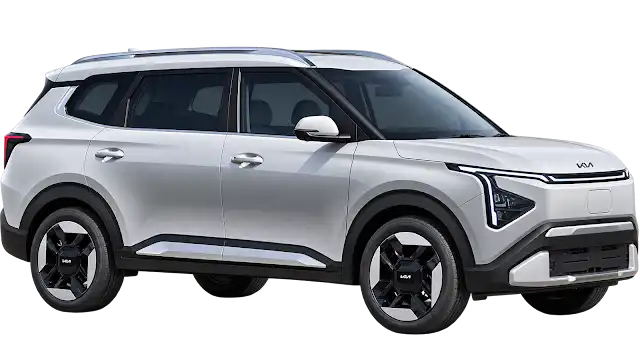 Final official pricing will only drop on 26 August, but trade estimates expect the pure electric Hector Tomahawk to sit roughly between ₹18 lakh and ₹25 lakh ex-showroom. Comparing this with a dedicated all-electric SUV like the BE 6, the upfront sticker price could start noticeably lower around ₹14 lakh if MG offers its BaaS battery rental. Both models stick to front-wheel drive to keep weight in check and preserve battery juice.
Final Thoughts
A proper seven-seater SUV with lower running costs could suit many Indian families. You get decent space for adults in all three rows, useful features, and the benefit of electric or hybrid power. The real picture will become clear after the launch when people start driving the car and checking actual range and mileage.
On paper, the Hector Tomahawk looks interesting. It offers proper seven-seater proportions paired with far lower running expenses, provided the pricing and hot-weather range hold up.
Frequently Asked Questions
What date is the Hector Tomahawk expected in India? The official unveiling is locked in for 26 August, when we should get confirmed variant prices and specs.
Is there an all-wheel-drive version? Both models rely entirely on front-wheel drive to keep cabin floors flat and boost range.
Is the boot bigger than the normal Hector Plus? Yes. The car is longer and uses a flat platform. This gives more space behind the third row. You should be able to fit two cabin-size bags even with all seven seats up.
Can the hybrid battery charge while driving? The 1.5-litre petrol engine doubles as an onboard charger on highways, assisted by deceleration energy recovery.
What range can you expect from the pure electric version? While the lab test rates it at 530 km, typical Indian traffic and highway conditions should yield roughly 420 to 450 km per full charge.
Why is the plug-in hybrid taxed higher? Pure electric cars get 5% GST. Plug-in hybrids get 40%. This large difference makes the hybrid version cost much more.
Will both versions launch together? Current information says only the pure electric version will launch on 26 August. The plug-in hybrid is expected later.