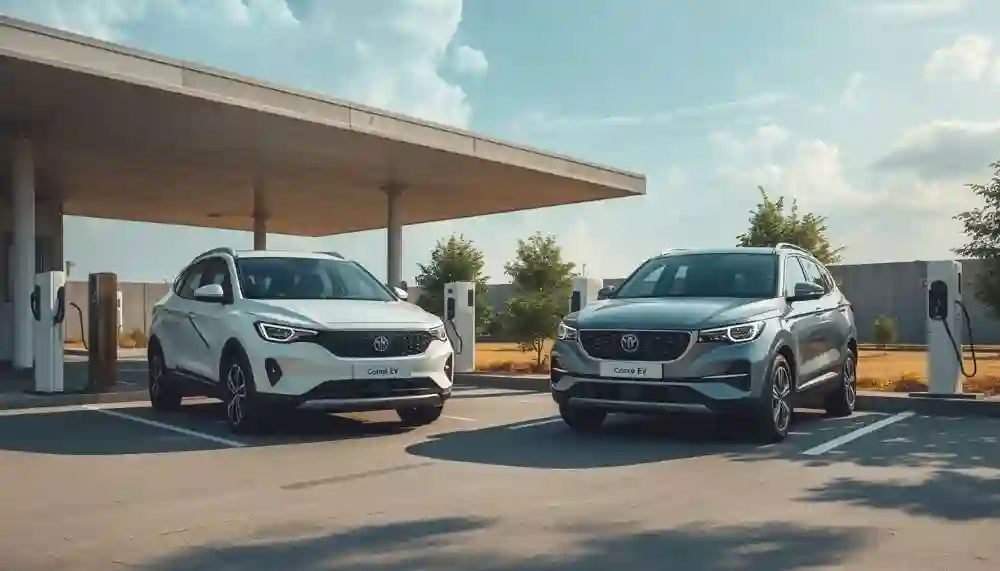
Ask any enthusiastic electric car salesman in a glossy showroom, and they will tell you public fast chargers are popping up everywhere. But if you live on the third floor of an apartment block or park on an open street where stringing a three-pin cable out of a balcony window is practically impossible, living with an EV without home charger in India setup turns into a completely different beast.
Look, we spent months testing daily battery life away from personal wall boxes. Straight up, if you cannot plug in overnight where you sleep, owning an electric vehicle right now comes with sharp compromises most brochures conveniently leave out.
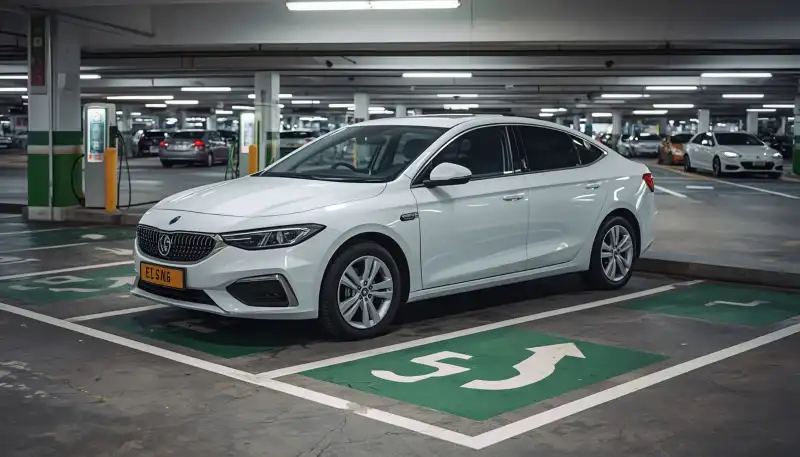
The AC vs DC Speed Gap: Most shopping centre basement spots offer basic 3.3 kW AC wall points that take 12 to 14 hours to juice up a modest battery. High-speed DC units (50 kW to 60 kW) that deliver a 20% to 80% charge in 40 minutes remain heavily concentrated along toll expressways rather than city suburbs.
The “Bay Hogging” Plague: Arriving at a charging hub on 12% battery only to find an already fully charged vehicle sitting plugged in while the driver wanders around a shopping complex is infuriating. India does not yet enforce strict idle parking penalties, meaning public bays stay blocked for hours.
Blocked by Petrol Cars: Regular internal combustion engine (ICE) cars frequently park straight over charging bays in crowded mall basements simply because the floor markings are ignored.
If you are calculating your daily commutes, read through our detailed EV buying guide to see how real-world public charging grids perform across different states.
Hidden Running Costs: Public Tariffs and Battery Degradation
One of the main reasons drivers switch to electric power is cheap running expenses. Plugging into a domestic home meter typically costs ₹1 to ₹1.50 per kilometre. The moment you become a permanent public charger customer, those savings shrink rapidly.
Commercial Power Tariffs: Public DC fast-charging operators pay commercial electricity rates and add healthy operational margins. You often pay ₹18 to ₹24 per unit (kWh), pushing your running costs up closer to ₹3.50 to ₹4.50 per kilometre.
Fast DC Battery Stress: Pumping direct high-voltage current into a lithium pack several times a week heats the cells significantly faster than slow alternating current home charging. Over three to four years, frequent fast-charging degrades usable battery health noticeably faster.
Heavy Tyre Wear Expenses: Electric platforms weigh 250 kg to 450 kg more than equivalent petrol vehicles due to heavy floor packs. That instant electric torque combined with substantial vehicle mass shreds high-load EV-rated tyres far quicker, and replacing an 18-inch low-rolling-resistance tyre can cost up to 40% more than standard saloon rubber.
Who Should Buy an EV (And Who Should Walk Away)?
Before signing finance paperwork, be brutally honest about your daily parking layout.
Skip the EV for Now: If you park in an open society without assigned parking slots, cannot install a 15-amp socket, or travel unpredictable intercity routes weekly, stick with a reliable hybrid or petrol motor for the next couple of years.
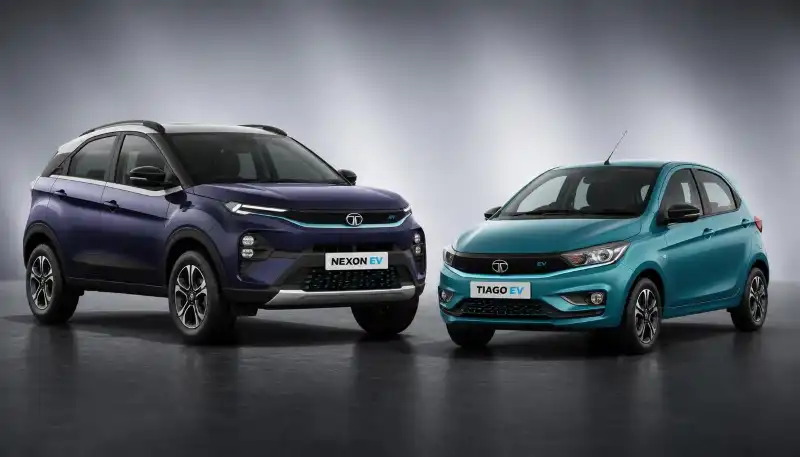
The Ideal Urban Setup: If you have an assigned basement spot or independent house parking, a compact electric car like a Tiago EV makes tremendous sense for city duties. It is quiet, light on maintenance, and single-pedal regenerative braking relieves daily bumper-to-bumper traffic fatigue.
The Two-Car Garage Strategy: The smartest setup for many urban families today is pairing an affordable, small electric runabout for office commutes with an existing petrol or diesel SUV reserved strictly for out-of-town family highway runs.
Before finalizing dealership quotes, check out our practical smart car buying guide to avoid falling for overpriced dealer accessories and hidden extended warranty clauses.
Check Warranty Transfer Rules Before Signing
Because replacement battery packs represent anywhere between 40% and 55% of the total vehicle value, used EV buyers scrutinize battery health certificates obsessively. If you plan to sell your electric car within five years, ensure the manufacturer provides a transferable battery warranty that stays valid for the second owner. Without a transferable warranty, resale values drop sharply compared to conventional cars.
Quick Buyer FAQs
Can You Run an EV Using Only Public Charging Stations?
You can manage technically, but it quickly becomes a weekly chore. When you’re short on time, looking for a working charger and waiting for an available spot can be a real interruption to your day.
Does frequent DC fast charging damage the EV battery pack?
Yes. Relying solely on high-output DC fast chargers increases cell operating temperatures and accelerates long-term battery degradation compared to gentle overnight AC home charging.
How much does public charging cost compared to home charging?
Home charging on domestic utility meters costs around ₹7 to ₹9 per unit, while commercial DC fast chargers generally charge between ₹18 and ₹25 per unit, significantly increasing your per-kilometre fuel bill.