Best car color in India: What Really Matters
Whenever the question of car colour comes up, the usual response is, “Why does it matter?” That makes complete sense. We all ask questions before spending our money, and getting clear, straightforward answers matters. This guide breaks down which car colours make sense for Indian roads and why some shades can be more practical choices over the years.
What You Should Think About Before Choosing a Colour
While everyone has their own style, a few core factors affect all of us daily.
Safety and visibility
Bright shades naturally grab attention much quicker on the road. Oncoming drivers notice your car early and hit the brakes in time. It genuinely saves lives during night drives or when stuck in chaotic traffic.
Scratches and dirt
After a few months of daily driving, every vehicle collects dust and light swirl marks. Certain paint jobs hide these flaws easily, while others highlight every tiny mark.
Heat
To be fair, Indian summers are brutally hot. Dark paint soaks up heavy heat, making the cabin feel like a furnace. You end up running the AC on max, which drains extra fuel.
If you drive an electric car, running the climate control at full blast in peak summer directly impacts your battery range. You can check how much cooling drops your highway distance using our interactive EV Real World Range Calculator India.
Fading
Sunlight is pretty harsh on fresh paint. A car that looks super glossy on day one can start looking dull and aged after just a couple of summers.
Repainting
Minor scrapes happen to almost everyone. Basic shades blend right in during touch-ups. But tricky custom shades are tough to match, and the patchwork looks odd from a distance. That ruins the look and hurts resale.
Resale value
In India, popular shades sell almost instantly. Flashy or odd colours often make buyers hesitate or ask for a massive discount.
Interior colour
Dark cabins can feel quite cramped and stuffy in peak heat. They hide dirt better, but they catch heat very fast during summer.
Night visibility
If you hit highways or unlit village roads after dark, dark cars almost blend into the night until you are dangerously close. That is a serious safety concern.
Keeping these factors in mind, let’s look at what works best.
White – The King of Colours in India
Honestly, white is easily the smartest choice for Indian driving conditions.
It reflects heat far better than darker paint, keeping your cabin noticeably cooler. That means your AC works less and you save fuel over time. White is offered on almost every vehicle model. Daily dust and light scratches do not show up as easily as on dark paint. Fixing a dent is cheap and easy because white paint is universally available and matches smoothly. Highway visibility at night is top-notch. Keeping it presentable is also simple enough.
Keeping daily running costs low is a major reason buyers pick sensible setups. To see how much you could save on everyday fuel expenses by switching to electric, try our EV vs Petrol Savings Calculator.
The biggest downside? Rainy road grime and mud splatters show up instantly. Also, because it is everywhere, your ride will not stand out in a crowd. Even so, for long-term stress-free ownership, white remains almost impossible to beat. That is why it stays the king of car colours in India.
Silver or Grey – The Sensible Second Choice
Silver (or metallic grey) is another brilliant option, especially for busy people who want minimum maintenance.
The metallic sheen hides daily dust and minor scratches effortlessly. The metal underneath is a similar shade, making marks blend in naturally. Silver often looks a bit more premium than basic plain white on budget cars. Used car buyers happily accept silver without making a fuss, so resale is solid. It handles direct heat well without fading under strong sunlight. Even after five full years, the paint holds its freshness. Local workshops can match the colour easily too.
Some people feel silver gets a bit plain over time. It does not look as aggressive as darker shades and is slightly warmer than white in extreme heat. Still, for daily hassle-free driving, it is an outstanding choice.
Black – Looks Premium but Has Clear Drawbacks
Black looks bold and expensive. A black Mercedes S-Class looks stunning. But that same dark paint on a small hatchback like an Alto often feels out of place.
Black stays popular because it gives off a strong luxury vibe. Repainting a damaged panel is fairly simple, and used car demand stays decent.
However, running black paint in India brings real headaches. It absorbs heavy solar heat, baking the cabin in summer. On dark highways, it blends right into the road at night, making it harder for other drivers to spot you. Hairline scratches stand out right away. Plus, a black cabin makes compact cars feel tight, and dark seats get scalding hot. You spend ages waiting for the AC to cool the cabin down before you can even sit comfortably.
A black exterior works much better on big SUVs if you love the look. But a dark interior is rarely practical in Indian weather.
Fancy and Unusual Colours
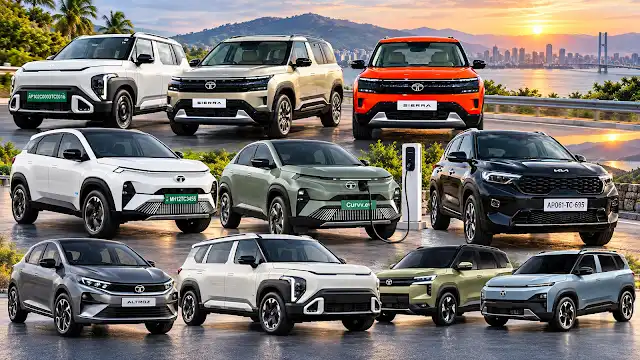
Recently, car makers have introduced bold choices—purple, bronze, bright yellow, and deep blues. Tata pushes these unique tones, Mahindra made bright red popular on models like the XEV 9e, and Maruti’s Nexa Blue is everywhere now.
These shades make your ride stand out immediately and look modern. Daytime visibility is great because the colours pop. They also absorb slightly less heat than pure black.
The biggest headache is repainting. Matching that exact factory coat outside an authorized service center is extremely tough. Resale can also take longer because not every buyer wants a loud colour. Nexa Blue, for instance, shares the same low night visibility as black cars on dark roads, even if it looks distinct in daylight.
If you want a unique ride and do not mind paying extra for maintenance or waiting longer at resale time, go for it. But for buyers wanting a simple, easy experience, these shades are less practical.
Red – Popular but Not Always Practical
Red has a huge fan following, particularly on new electric cars. It looks vibrant and shiny. Mahindra has pushed this colour heavily recently. Certain dark red shades look stunning under sunlight.
However, like most bold paints, matching red perfectly during panel repairs is quite tricky. It stays a fun pick if you want that punchy, sporty feel, but it takes more care than neutral shades.
Final Advice
If you want an easy life in India, stick with white or silver. White keeps the cabin cooler, takes minimal maintenance, touches up easily, and keeps you visible at night. Silver is right behind it if you want that metallic shine that covers everyday scuffs.
Black gives you great style, but you trade that for heavy cabin heat and tricky night visibility. Fancy custom colours look great on day one, as long as you are okay with higher repair costs later.
Pick the shade that matches your daily routine, not just what looks shiny under showroom spotlights. In the long run, safety, cabin temperature, and resale value matter way more than showroom looks.
If this guide helped you figure things out, share it with your friends who are planning to buy a new car soon!