 Last month, a friend of mine saved nearly Rs 2.5 lakh by picking the base variant of a compact SUV instead of the top trim. He drove straight from the showroom to a busy car market, spent Rs 45,000 on a big touchscreen, LED projectors, ambient cabin lights, and wider aftermarket tyres, and felt like a genius. Six months later, an electrical fault fried the infotainment circuit, and both the service centre and the insurance surveyor walked away without paying a single rupee.
Honestly, this is the biggest trap Indian car buyers fall into right now. When you walk into a dealership, the salesperson pushes the top variant because they earn a higher commission and want to clear expensive stock. When you walk into an aftermarket accessory shop, the installer promises to turn your base car into a top model using “coupler-to-coupler” plugs without cutting a single wire. Both sides are trying to sell you something, and neither tells you what happens when things go wrong.
Why Dealers Are Not the Car Company
Before you spend a rupee on extra fittings, get one thing straight. The showroom where you buy your car and the workshop where you service it are private businesses, not the actual car manufacturer. The salespeople and service managers work for the dealership owner, not for Tata, Maruti, Hyundai, or Mahindra.
When a salesperson tells you, “Buy the base variant and get the camera and stereo fitted right here at our dealership, your warranty stays safe,” they are simply selling you accessories from their own counter to boost their profit margin. Once a technical fault happens, the service team follows the manufacturer’s strict warranty manual, not the salesperson’s verbal promise. Even before you take delivery, it helps to follow a proper electric car PDI checklist so you do not get stuck with dealer-fitted add-ons you never asked for.
The Myth of “Coupler-to-Coupler” Fittings
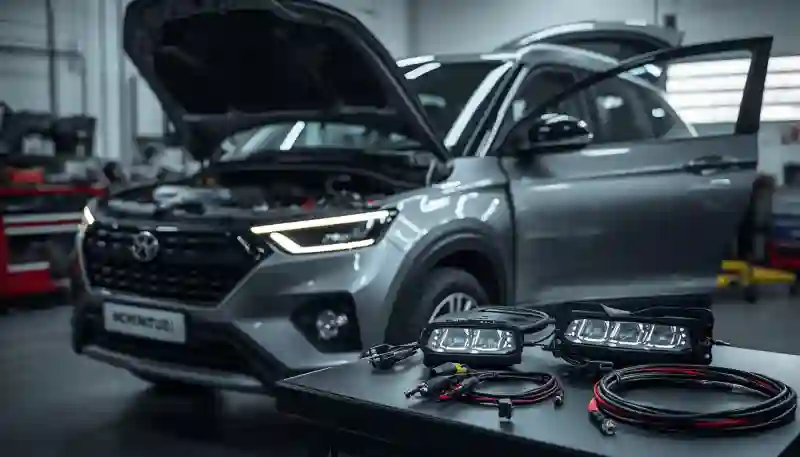
Look, aftermarket shops love the phrase “coupler-to-coupler.” They show you how a socket plugs straight into the factory harness without slicing open any copper wires. On YouTube and Instagram, these Rs 45,000 base-to-top transformations look amazing.
Here is what those videos never show you:
- Factory Warranty Rules: Car makers design electrical harnesses for a specific power load. Even if no wires are cut, plugging in high-wattage aftermarket LED headlights, heavy amplifiers, or third-party touchscreens alters the original electrical circuit. If your alternator fails or a control module burns out, the service centre will flag the aftermarket part and reject your warranty claim on the spot.
- Insurance Claim Rejections: Under standard motor insurance rules in India, any undeclared modification or electrical alteration gives the insurer grounds to deny a claim. If a short circuit causes a fire, or if oversized tyres and non-factory alloy wheels contribute to a suspension failure during an accident, the surveyor can legally reject the pay out. You cannot even win these cases in consumer court because the policy wording clearly prohibits unapproved electrical and structural changes—something we also highlight when breaking down common EV dealership insurance tricks and PDI traps.
What About Upsizing Tyres and Alloy Wheels?
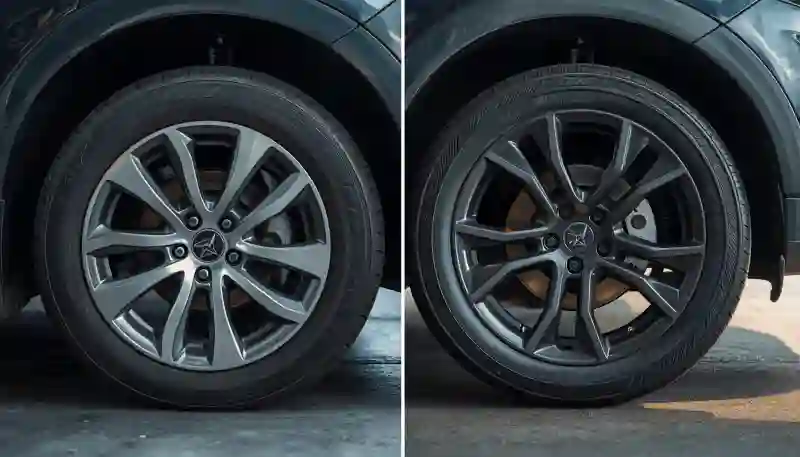
Base models almost always come with smaller steel wheels and narrow tyres. Upgrading to flashy, wider aftermarket alloy wheels changes the steering geometry and puts extra stress on the wheel bearings and suspension joints. Worse, cheap local alloys can crack under high-speed pothole impacts, which is a massive safety risk on Indian highways. If you really want alloys, buy the genuine OEM ones sold as official accessories for that exact model, and stick strictly to the tyre size printed on the driver-side door sill.
How to Pick the Right Variant Without Overpaying
You do not need to waste money on a top-end model just to get a sunroof or ventilated seats you will rarely use. Instead, follow the basics from our smart car buying guide for India before booking your car:
- Make a Non-Negotiable List: Write down the features you genuinely need for daily city driving—like a factory music system, rear parking camera, rear wiper, or height-adjustable driver seat.
- Match It With the Brochure: Look at the variant line up and find the lowest trim that includes all your must-have features straight from the factory. That is your true value-for-money variant.
- Negotiate on Price, Not Free Accessories: If the right variant stretches your budget, bargain hard with the dealer for a cash discount or lower insurance quote instead of accepting free aftermarket fittings.
Already Bought a Base Model? Stick to Safe Add-Ons
If your car is already parked in your garage, do not stress—just avoid touching the wiring or mechanical parts. You can still make your daily commute comfortable using completely safe, zero-risk upgrades:
- 12V Socket Dashcam: Plugs straight into the cigarette lighter or USB port without tapping into the fuse box.
- Floor Mats and Boot Liners: Keep the cabin clean with zero impact on electronics.
- Basic Seat Covers: Completely safe as long as your car does not have seat-mounted side airbags (which require special airbag-compatible stitching).
- Certified Charging Hardware: If you drive an electric car, skip cheap local extension cords and stick to the best home EV chargers in India that come with proper earthing and surge protection.
Properly enjoying a new car comes down to peace of mind. Saving Rs 45,000 by skipping the right factory variant is never worth risking a Rs 5 lakh insurance rejection or a voided engine and electrical warranty later on.
Frequently Asked Questions
Does coupler-to-coupler wiring really keep my car warranty safe?
No. Even if no factory wires are cut, plugging in high-wattage LED lights, heavy amplifiers, or third-party touchscreens alters the original electrical load. If a fault occurs in the wiring harness or control module, the service centre can legally reject your electrical warranty claim.
Can an insurance company reject my claim because of aftermarket accessories?
Yes. Under standard Indian motor insurance terms, any undeclared electrical modification or non-factory structural change gives the insurer grounds to deny a claim—especially if a short circuit causes a fire or oversized aftermarket wheels contribute to an accident.
Are accessories fitted by the car dealership safe for warranty and insurance?
Only if they are genuine OEM-approved accessories billed officially by the manufacturer. Many dealers push local third-party stereos, seat covers, and ambient lights from their own counter, which carry the exact same warranty and insurance risks as outside market fittings.
Which aftermarket accessories can I add to a base variant without any risk?
You can safely use accessories that do not tap into the car’s wiring or alter its mechanical setup. A 12V socket dashcam, floor mats, mud flaps, and airbag-compatible seat covers will not void your warranty or affect your insurance coverage.