Why Your BS6 E20 Car Is Still Getting Fuel Problems
You bought a new BS6 Phase-2 car. It has E20 Compliant written on the fuel lid. Salesman said no tension, engine is ready for 20% ethanol petrol. You believed it and felt happy. But the truth is, E20 petrol engine damage is becoming a massive nightmare for modern car owners.
That belief is wrong.
E20-ready does not mean safe. Cars that are only six months to a year old are already leaving many owners with expensive repair costs. The fuel pump fails, the injectors choke, the car starts missing, and sometimes completely stops on the road. An authorized service centre may reject the warranty if they find the issue isn’t covered. Citing “contaminated” or “adulterated fuel,” they disclaim all liability, leaving you responsible for the entire expense of tank cleaning, pump replacement, injector servicing, and associated repairs.
The main reason is water mixing in the petrol. Ethanol alone is not the full problem.
What Actually Happens Inside the Tank
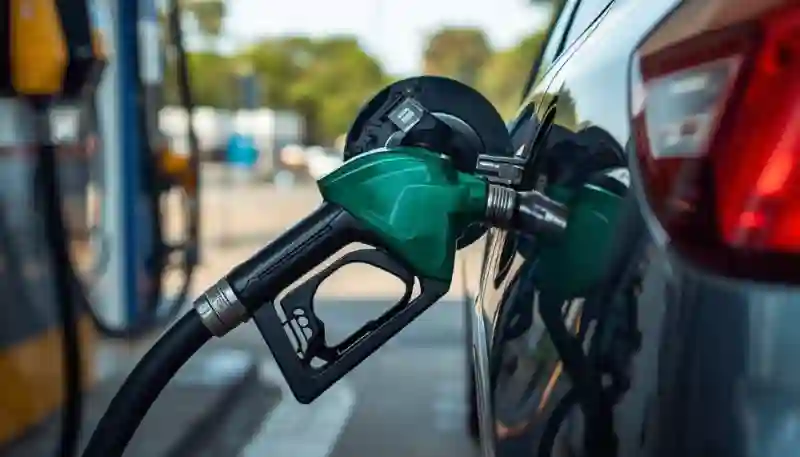
Ethanol mixes with water very easily. Even just a tiny bit of water is all it takes to break things down. Once water comes in contact, ethanol leaves the petrol and sticks with the water. This heavy mixture goes straight to the bottom of the tank. Petrol stays on top. In between, a dirty layer of rust, dirt, algae, and fine particles collects.
The fuel pump is positioned at the base of the fuel tank. When you drive on bad roads, hit potholes, take sharp turns, or drive through waterlogged streets, the pump sucks this dirty bottom layer first. Slowly, the pump starts struggling, gets damaged, injectors get blocked or start spraying unevenly, and the engine starts giving trouble – rough idle, loss of power, sudden jerks, and check engine light.
The first sign for many people is the car hesitating during an overtake or starting to misfire in city traffic.
Also Read: Thinking of skipping petrol issues altogether for city runs? Read our Kia Syros EV Review to see if electric mobility fits your daily drive.
Where This Water and Dirt Actually Come From
You are not putting water or dirt in your tank. It comes much before the fuel reaches you.
Ethanol is not mixed at the oil refinery. It is mixed later at the distribution depots. Fuel moves from the depot to its destination through old pipelines. Rust and fine metal particles are commonly found inside these pipelines. The big wholesale filters catch only large pieces. Small grit still goes ahead with the fuel.
From there, the fuel is loaded into large steel tankers before being transported. In most cases, the interiors of these tankers are seldom cleaned to an adequate standard. During long multi-day journeys, the temperature keeps changing – hot day, cool night. Water drops form on the inner walls because of condensation. Those water droplets start separating out the moment the tanker hits the road.
Almost every petrol pump has deep underground tanks. In monsoon or when the road floods, water seeps in through gaps, seals, or covers. When 20% ethanol fuel sits in such a tank that already has some water, it pulls in even more moisture. You pay full price for petrol that’s already tainted with moisture, rust, and sludge before it even hits your tank.
This is why the problem is common across many cities, not just one or two pumps.
Also Read: Want to understand how ethanol blending works across different fuel types? Check out our detailed guide on E85 Flex Fuel vs E20 Petrol before your next fill-up.
What Service Centre and Insurance Actually Do
When your fuel pump kicks the bucket, or your injectors get clogged, you’d think your warranty or insurance would save the day—spoiler alert: they rarely step up.
The service centre opens the tank, sees water and black sludge, and writes in the job card “adulterated fuel” or “contaminated fuel use”. That one line is enough. Warranty becomes void because the company policy clearly says damage from external bad fuel is not their responsibility. To top it off, insurance denies the claim entirely. They say it is maintenance-related or bad fuel from the outside pump, not accidental damage. Oil marketing company, tanker operator, petrol pump dealer – everyone washes their hands. Finally, only the car owner pays the full amount.
Many people have paid 30,000 to 60,000 rupees for pump + injector + tank cleaning with no help from warranty or insurance.
Must-Know Tips for Keeping Your Car in Top Condition
You cannot change how petrol is stored in depots or how petrol pumps maintain their underground tanks. But you can reduce the risk for your own car a lot.
Normal periodic service does not include proper deep cleaning of the fuel system. You have to do these extra things yourself:
1. Every year, preferably right after monsoon season ends, get the fuel tank dropped, fully drained, and cleaned. The accumulated mixture of water, ethanol, and sludge at the bottom requires regular removal. This single step stops the pump from continuously sucking dirty fuel.
2. Change the small filter that sits with the fuel pump inside the tank every year. It costs around 800 to 1500 rupees only. If you ignore it, later you may have to change the full pump assembly, which costs 25,000 to 35,000 rupees.
3. Get the fuel injectors cleaned with an ultrasonic machine once a year. When ethanol dries, it leaves sticky gum-type deposits. These slowly reduce how well injectors work. Also, check spark plugs every 10,000 km and change them by 20,000 km on most petrol engines. Old plugs cause misfires and put an extra load.
4. Never let the fuel gauge go into the reserve zone regularly. A nearly empty tank has a big empty space. On humid days, moisture forms on the walls and mixes with the remaining fuel. Try to keep the tank at least half full most of the time. This simple habit reduces the chance of separation.
These four steps will not make the car fully safe, but a sudden big failure becomes much less likely.
Some Extra Things People Are Doing
Some owners try fuel additives that claim to handle moisture. Results are mixed and not proven for long-term use. A few people only fill from busy pumps where fuel moves fast and does not sit long in the tank. Others avoid filling up during or immediately after heavy rain. These are small precautions, not complete solutions.
Last Words
An E20 badge on a BS6 car does not mean the fuel system is safe under real Indian road and fuel conditions. Water is entering the supply chain at many stages – pipelines, tankers, and underground tanks. When the problem finally shows up in your car, the money comes only from your pocket.
Do not wait for the check engine light to come on or for the car to start jerking in the middle of traffic. Treat yearly tank cleaning and injector service as normal maintenance, just like an engine oil change. Spending a few thousand rupees every year is much better than facing a sudden 40,000 or 50,000 rupee bill with no warranty support.
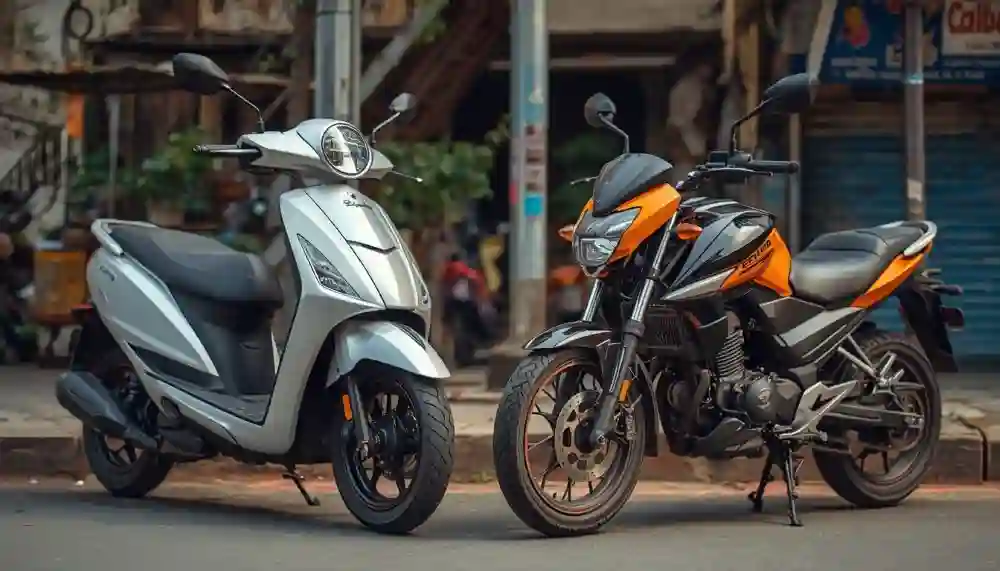
If daily city travel is mostly short distances, check the real monthly cost of an electric scooter versus a normal petrol scooter. For those who still want a strong SUV that can take rough roads without constant fuel system headaches, look properly at the Scorpio N and Thar Roxx before deciding.
Common Questions People Ask
1. Does the BS6 Phase-2 badge mean my car is fully safe from ethanol damage?
No. Rubber pipes and seals may not melt, but when water mixes with E20, the heavy layer can still damage the ump and injectors.
2. Why does the service centre refuse a warranty when the fuel pump fails?
They record it as fuel adulteration or contaminated fuel. The company warranty does not cover damage caused by bad petrol filled from outside pumps.
3. Will insurance pay if the engine or fuel pump fails because of bad E20 petrol?
Mostly no. Normal comprehensive insurance covers accidents and some natural disasters. This kind of failure is treated as a maintenance or external fuel quality issue, so the claim gets rejected.
4. How often should I clean the fuel tank?
Once every year is practical. The best time is soon after the rainy season, when the chances of water entering petrol pump tanks are highest.
5. What is the single best daily habit to reduce this problem?
Don’t let fuel go very low. Keep the tank at least half full as much as possible. Less empty space means less chance of moisture forming and mixing.
6. Is the problem only in some cities or everywhere?
Reports are coming from many places where E20 is supplied, especially areas with heavy rain and older fuel setups.
7. Can I use any fuel additive to prevent this?
Some additives claim to help with moisture, but long-term proof is weak. Regular tank cleaning and filter change are still more reliable.