Petrol vs Diesel vs Hybrid vs EV – What You’ll Actually Spend in 5 Years
Picking between petrol, diesel, strong hybrid and pure electric is confusing for most people. Showroom guys keep quoting high mileage numbers, but they never really talk about the hidden costs – road tax, higher insurance on EVs, and what the car will sell for after five years.
Plus, with the rollout of E20 blended petrol across fuel pumps, everyday petrol mileage has quietly dropped by 10 to 15 percent, making the maths even tighter.
If you are planning your garage right now, our car buying guide for India is a great starting place to get your basics sorted.
Let’s just look at the real money over five years of normal driving in India.
The tax part that surprises people
GST is the biggest difference right at the start. Petrol, diesel and strong hybrids get slammed with 40–43% GST. Pure EVs sit at just 5%. That’s why an EV can look almost the same price on paper even though the battery costs the company a lot more to manufacture.
Road tax is the other quiet killer. Most big cities give EVs zero or very low road tax. A diesel SUV can easily cost you ₹1.8–2.5 lakh just in road tax, depending on the state. Some places like Karnataka have started putting 5–10% road tax on EVs too, so that tax shelter is slowly reducing.
To see which new high-voltage family cars are landing next, check our running tracker on upcoming electric and hybrid cars in India.
The simple ₹1,000 fuel test
To understand how far your daily cash goes before doing five-year math, imagine putting exactly ₹1,000 into each car:
- In a regular petrol SUV, ₹1,000 gets you roughly 136 km of city driving.
- In a diesel SUV, that same note takes you around 164 km.
- In a strong hybrid, thanks to regenerative braking in traffic, you stretch it to 213 km.
- In an EV charged overnight at home, ₹1,000 gives you an incredible 654 km of driving range.
Normal family driving (around 12,000 km a year)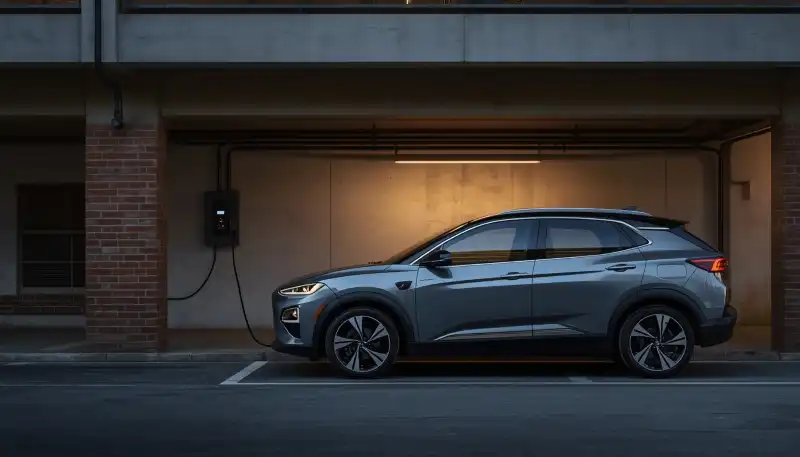
Say you do about 1,000 km a month – mostly daily city crawling with some weekend highway trips. That is roughly 60,000 km in five years.
Petrol is cheapest to buy on day one. But keeping the tank full over five years will swallow ₹4.2–4.5 lakh. Routine servicing is predictable, and resale stays okay. Total spend over five years lands around ₹17.5 lakh.
Diesel costs more at the start, and workshop servicing is noticeably heavier. Good fuel economy helps on highways, but in Delhi-NCR resale is weak because of the 10-year scrappage ban. Total spend ends up near ₹19.2 lakh.
A strong hybrid is a bit more expensive upfront, but you get 20–24 kmpl even in horrible bumper-to-bumper traffic without needing a plug. Resale stays very strong. Total spend sits around ₹16.5 lakh.
A pure EV requires about ₹40,000 to ₹49,000 for a home charging setup (that includes the wall box, heavy-duty electrical wiring, and sanctioning extra electricity load from your power company). Insurance is also roughly 30% higher every year. But running cost on home electricity is under ₹1.50 per km. Total spend comes to around ₹16.1 lakh.
For normal daily use, a strong hybrid and an EV end up costing almost the exact same to own over five years.
Heavy highway drivers (40,000+ km a year)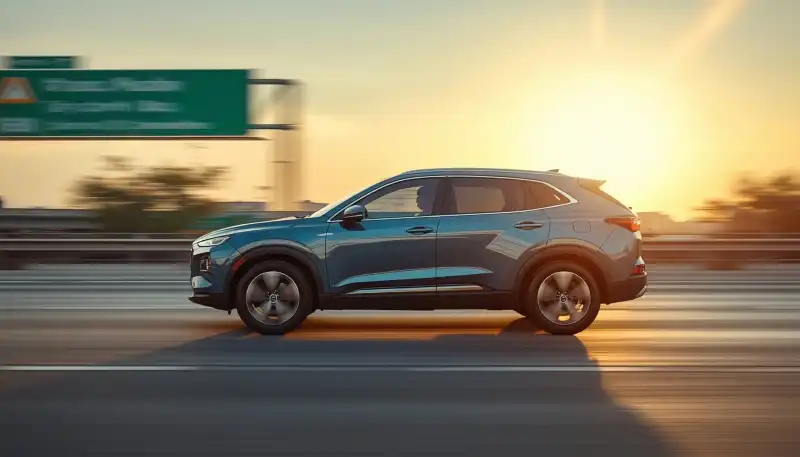
If your work means long intercity road trips or you clock over 2 lakh km in five years, the picture changes a lot.
An EV on home electricity will cost you roughly ₹4.7 lakh in charging for that massive distance. A petrol car’s fuel bill over the same kilometres easily crosses ₹17 lakh. Even if you end up paying for a battery pack replacement out of warranty later on, the massive fuel savings still leave you lakhs ahead of petrol.
Diesel loses its old crown here. Higher maintenance, DPF clogging issues from modern emission filters, and heavy road taxes mean heavy drivers usually save a lot more by going hybrid or EV.
What should you buy then?
Stick with petrol if you drive under 8,000 km a year and just want something simple with no charging or hybrid electronics to think about.
Go strong hybrid if you want 22 kmpl in the city, zero charging worry on 1,000 km road trips, and solid resale value.
Buy a pure EV if you can charge at home and drive at least 1,200–1,500 km every month. The savings on electricity will cover the higher insurance and charger setup cost pretty fast.
Skip diesel in metros. Unless you live somewhere in rural belts with no pollution bans, modern diesel just doesn’t make financial sense for most private family buyers now.
Quick answers people always ask
Why is EV insurance higher?
Because traction battery packs are expensive. If the car gets hit from below or suffers accidental damage, the repair claim can be huge, so insurance companies charge 30–40% higher annual premiums.
Do hybrids do better in the city or on highways?
They are best in slow city traffic (22–24 kmpl) because braking keeps recharging the battery without running the engine. On fast expressways, the petrol engine works harder and mileage drops to around 19–21 kmpl.
How many km do I need to make an EV worth it?
If you drive more than 12,000 km a year and charge at home at domestic electricity rates, the extra setup costs usually pay for themselves in 2–3 years.