Maruti Brezza 1.0L Turbo vs 1.5L – Which One Actually Makes Sense in 2026?
Maruti finally dropped the 1.0-litre K10C three-cylinder turbo into the Brezza. Same basic engine that runs in the Fronx, just with a bit of extra torque tuning for the heavier SUV body. It sits right next to the old 1.5 K15C. On paper, the Turbo works out roughly ninety thousand cheaper because of the lower GST on engines under 1.2 litres. Sounds like a no-brainer until you start living with both and see what Indian buyers are actually picking.
If you want a full breakdown of the cabin features and wet-weather driving experience, check out our detailed Maruti Brezza Turbo review.
Performance and Torque Delivery on the Road
The Turbo puts out 110 PS and 170 Nm. The useful bit is the torque band – you get the full 170 Nm from around 2000 rpm all the way to 3500. In traffic or with the family and bags on board, the car just moves without you constantly hunting for a lower gear.
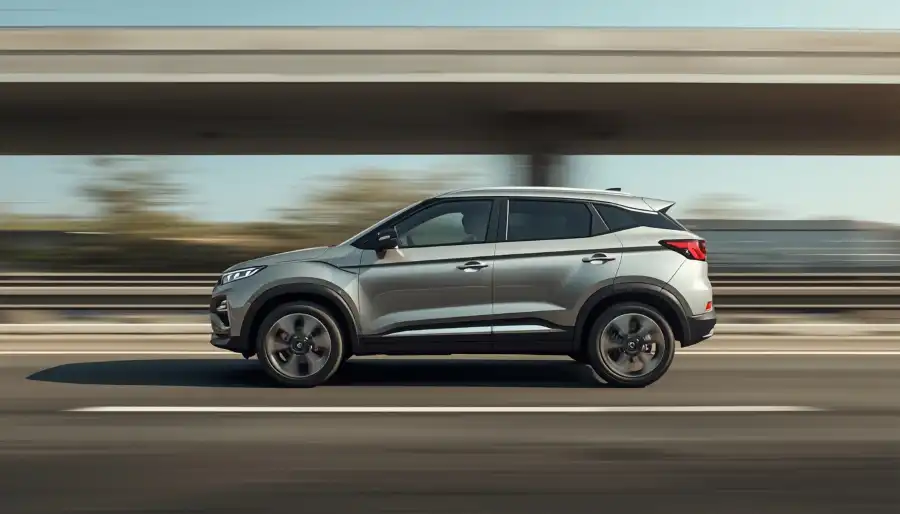
The 1.5 makes 103 PS and 137 Nm. Power comes in more steadily and peaks later, so it feels smooth and refined, but you do need to rev it more when you want to overtake or climb with a full load.
Smart Hybrid Tech and Gearbox Setup
Maruti also stuck their Progressive Smart Hybrid system on the Turbo (that ISG unit that takes the place of a normal alternator). It does the silent start-stop, keeps both batteries topped up, and grabs a little energy under braking. It stops the fuel figures from falling off a cliff, but you’re still asking a small turbo to work harder than a bigger naturally-aspirated engine.
One thing that still bugs me – they only gave the Turbo a six-speed manual. No automatic at all. The gearbox itself is decent. At 100 km/h you’re sitting at roughly 2400-2500 rpm instead of the 3000 the old five-speed used to ask for. Lower revs should mean less wear over time. Still, a lot of people would have liked the choice of an automatic with the stronger engine.
Noise, Cabin Insulation, and Ride Quality
Noise behaviour is different on the two. Outside the car at idle, the Turbo makes a bit more sound; the 1.5 is almost dead quiet. Once you’re rolling, especially on the highway, the Turbo actually feels quieter inside. Both are fine once the doors are shut.
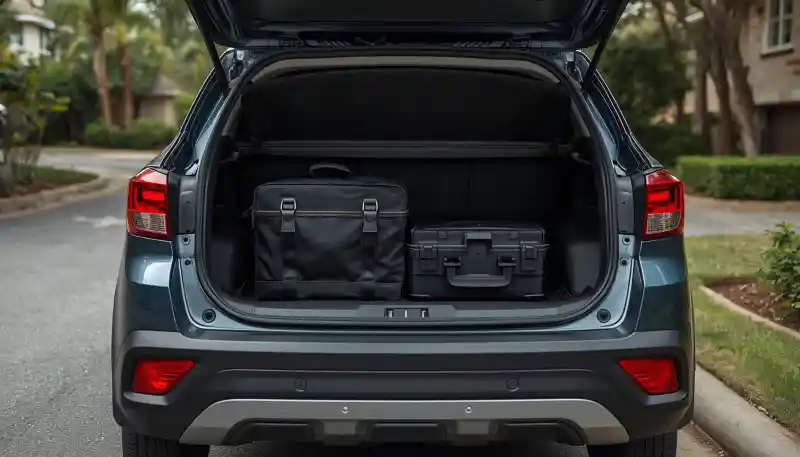
Weight and payload sit close. The three-cylinder is about 30-35 kg lighter, so the Turbo version can carry a bit more – roughly 490 kg against 455 kg on the hybrid 1.5. CNG drops lower because the cylinder itself weighs 70-75 kg and lives in the boot. Gross vehicle weight is 1600 kg across the board, so five adults plus some luggage is the realistic limit on all of them.
Suspension hasn’t changed – MacPherson up front, torsion beam at the back – and the steering and handling feel exactly like the previous Brezza. City, highway, village roads, mild hills – it still takes all of them without complaint.
Fuel Efficiency and Real-World Mileage
Mileage needs honest expectations. The 1.5 petrol has been giving 14-16 kmpl in mixed running for years; CNG sits around 25-26 km/kg.
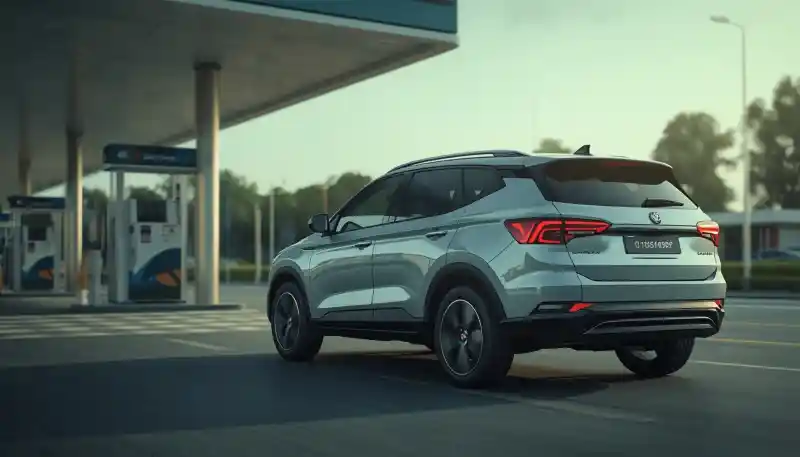
The Turbo will most likely land closer to Fronx numbers – many owners will see low-to-mid 11s, maybe 12 if they keep a light foot. If you buy the Turbo and then drive it gently just to chase mileage, you lose a big part of why you chose it in the first place.
Maintenance Costs and Long-Term Reliability
Service costs are another practical difference. The Turbo wants fully synthetic oil and can build up carbon faster if you only do short 4-5 km trips every day. The 1.5 is more relaxed about that. A normal service (oil, oil filter, air filter) still comes in around 3000-4000 rupees at a workshop, less if you go outside.
Long-term, the 1.5 feels like the safer bet if the car will see heavy loads, continuous hill work, or years of short city runs. The Turbo is more fun in the mid-range and perfectly fine if you look after it, but a small turbo under constant high load does run hotter exhaust temperatures.
Sales Reality and the E20 Fuel Impact
Sales numbers are clear enough. Even before the Turbo arrived, CNG was already taking well over a third of Brezza sales. Most people expect the Turbo to grab only 10-12 percent of the mix. The rest will keep going to CNG and the regular 1.5 petrol. That’s the market telling you what it values.
Then there’s the E20 question (and whatever higher blends come later). More ethanol usually trims power a bit and can increase deposits – things small turbos feel more than bigger naturally aspirated engines. Nobody has a perfect crystal ball on the next few years of fuel, but it’s one more reason some buyers stick with the simpler 1.5.
Final Take: Which Brezza Engine Should You Buy?
- If you do a lot of highway work, like a responsive mid-range, and you’re fine with a manual, the 1.0 Turbo is the more engaging car, and it saves money up front.
- If most of your driving is city, you want maximum boot space, lower running costs over the years, and the option of CNG, the 1.5 (especially the CNG version) is still the more sensible daily companion for the next 10-15 years.
Both engines have already proved themselves in other Maruti models. Neither falls apart if you service them on time. It really comes down to whether you want the extra torque and lower purchase price of the Turbo, or the refinement, fuel flexibility, and long-term peace of mind of the 1.5.
If you’re buying before the festive rush, keep an eye on our guide on upcoming cars in India in August September 2026. And if you want to understand how new fuel standards affect engine life, check out our piece on E20 petrol and diesel EVs in India.
Frequently Asked Questions (FAQs)
Q1. Is the new 1.0 Turbo the same engine as the Fronx?
Pretty much – K10C three-cylinder direct-injection turbo – but Maruti has shifted the torque curve a bit for the heavier Brezza, so the strong pull arrives early (2000-3500 rpm).
Q2. Why no automatic with the Turbo?
Only Maruti knows. The six-speed manual is good and keeps revs down, but an automatic option would have opened the Turbo to a lot more buyers.
Q3. Will the Turbo match the 1.5 on mileage?
Probably not. Expect something closer to the Fronx – low-to-mid 11s in mixed driving unless you drive very carefully.
Q4. Is carbon build-up a real worry on the Turbo?
More than on the 1.5, especially with lots of short trips. Longer runs and proper synthetic oil help keep it in check.
Q5. Should I worry about future ethanol blends?
Higher ethanol can cut power a little and increase deposits. The bigger 1.5 generally shrugs that off better than a small turbo.
Q6. Which version are most people actually buying?
CNG still leads by a clear margin and looks set to stay that way. The Turbo will remain a smaller slice of sales.