Drive at Your Own Risk: Used Cars That Will Financially Ruin You” “Cheap to Buy, Impossible to Own: The Used Cars That Ruin Wallets
Picture this. You are scrolling through a pre-owned car app late at night. Suddenly, a massive 7-seater SUV or a shiny German sedan pops up on your screen. At just ₹3 lakh to ₹5 lakh, the asking price makes it insanely hard to walk away. But if you don’t want to burn your savings, knowing which used cars to avoid is the most important lesson before making an offer.
Straight up, that thought is an absolute trap.
Buying an aged vehicle based purely on a cheap price tag is the fastest way to bleed money. That bargain purchase will quickly transform into a driveway ornament because you simply cannot afford to fix whatever breaks next month. Before you hand over your hard-earned savings, let us break down the exact cars you must avoid in the pre-owned market and why they will wreck your monthly budget.
1. Mahindra XUV500 (Early Generation Models)
When Mahindra launched the XUV500, it was an instant hit. Today, early models from 2012 to 2015 are flooding the market for dirt-cheap prices.
Why Buyers Fall For It
Bold styling, seven seats, a powerful diesel engine, and a feature-loaded cabin—it still delivers the complete package.The Real Nightmare
- Wiring Issues: Early 2.2-litre m Hawk engines are notorious for frustrating electrical glitches and dodgy wiring. Sensors go rogue without warning, throwing constant dashboard warnings.
- Parts Availability: Since Mahindra shifted focus to newer models, finding original body panels, headlight assemblies, or specific door trims for older XUVs takes ages.
- The Maintenance Reality: If someone bumps into your bumper or breaks a taillight, your car might end up sitting at a workshop for a whole month just waiting for a replacement part to arrive.
2. Tata Safari Strome / Décor
The iconic Safari badge holds a special place in everyone’s heart. That classic boxy stance and commanding driving position still tempt a lot of buyers looking for a cheap big rig.
Why Buyers Fall For It
It looks like a proper truck and offers unmatched road presence for a fraction of the cost of a modern SUV.
The Real Nightmare
- Heavy Driving Dynamics: The old diesel engines lacked refinement. Driving a heavy Safari through daily city traffic feels like a full-body workout.
- Mechanical Reliability: The clutch wears out surprisingly fast under city driving conditions. Suspensions are notoriously high-maintenance, and power steering racks frequently develop fluid leaks.
- Supply Chain Issues: Sourcing genuine Tata factory parts for a Décor or early Strome is becoming a proper wild-horse chase in most local markets.
3. Honda Jazz
The Honda Jazz was arguably one of the most practical hatchbacks ever built. Its interior layout offered space that rivalled sedans twice its size.
Also Read: Want a hassle-free daily hatchback instead? Read our Kia Syros EV Review to see if going electric makes sense for you.
Why Buyers Fall For It
Renowned for legendary engine longevity, a used Honda presents a compelling case as a comfortable, practical, and dependable family car.The Real Nightmare
- Discontinued Sourcing: Honda pulled the plug on the Jazz line. As a result, local third-party auto markets hardly stock body components or interior spares.
- Monopoly Pricing: You are practically forced to visit authorized service canters. They will quote inflated prices and long lead times for basic trim pieces or mechanical components.
4. Skoda Octavia (Older Petrol & Diesel Variants)
A bargain-priced Skoda Octavia gives you maximum car for absolute pocket-change money. You get those reassuringly solid door thuds, effortless acceleration, and pure executive comfort—all for a fraction of the price.
Why Buyers Fall For It
It gives you proper luxury sedan vibes at the cost of an entry-level daily driver.
The Real Nightmare
- European Aging: European cars do not age gracefully on rough city roads. Hit the 7-to-10-year mark, and the clock runs out—expect tired suspension bushes, worn struts, and finicky electronic modules to revolt all at once.
- Eye-Watering Repair Bills: Replacing a dead DSG gearbox component or getting a complete suspension overhaul can easily cost as much as half the car’s market value.
- The Financial Trap: You buy the car for a budget price, but you end up paying full original luxury rates every time a mechanic touches it.
5. Volkswagen Vento
The Vento offered great highway stability, rock-solid build quality, and timeless design.
Why Buyers Fall For It
Clean German styling combined with punchy diesel torque makes it look like a sturdy bargain on second-hand car platforms.
The Real Nightmare
- Air Conditioning Nightmares: The AC cooling coils and compressors on older Vento’s are notorious for failing. Fixing a leaking coil requires stripping down the entire dashboard, costing a massive lump sum.
- Suspension Woes: Hit a few bad potholes and the front suspension practically surrenders, leading to premature and costly overhauls. Buying genuine replacement struts and arms will leave a massive dent in your wallet every few years.
6. Early Generation Jeep Compass
Early production units of the Jeep Compass are now hitting the pre-owned market at heavily discounted prices.
Why Buyers Fall For It
Solid American build quality, a premium badge, and excellent highway handling.
The Real Nightmare
- Electrical Reliability Concerns: As the Compass passes the seven-year mark, electronic glitches tend to multiply—frequently impacting the infotainment screen, dual-zone climate control, and various driver sensors.
- Expensive Workshop Rates: Jeep service canters charge premium rates for lab or and fluids. Even a standard annual service can shock a second-hand buyer expecting low upkeep costs.
7. Renault Duster
The Duster essentially created the compact crossover market. Its ride quality over broken tarmac remains legendary to this day.
Why Buyers Fall For It
Unmatched suspension comfort and rugged looks at tempting second-hand prices.
The Real Nightmare
- Fuel Injector Failures: High-mileage diesel Dusters suffer from recurring fuel injector issues. Replacing a set of four injectors can instantly wipe out your monthly budget.
- Clutch & Turbo Wear: Heavy clutch action, failing turbo seals, and leaking steering racks are common on neglected units.
8. Nissan Magnate (Non-Turbo / AMT Variants)
While the newer Turbo-CVT version of the Magnate is decent, the base 1.0-litre naturally aspirated or AMT models flooding the used market are best avoided.
Why Buyers Fall For It
Modern looks, high ground clearance, and an extremely young registration age for very little money.
The Real Nightmare
- Sluggish Performance: The non-turbo 1.0-litre engine struggles immensely on steep inclines or when carrying a full load of passengers.
- Jerky Transmissions: The Automated Manual Transmission (AMT) hunting for gears creates a clunky driving experience and causes premature clutch plate wear.
9. Nissan Kicks
The Kicks shared its robust platform with the Duster, offering supreme bump absorption and a bold front grille.
Why Buyers Fall For It
Higher ground clearance, spacious cabin, and surprisingly low prices on listing apps.
The Real Nightmare
- Abandoned Strategy: Nissan changed engine options too quickly before silently pulling the model altogether.
- Mechanic Uncertainty: Independent mechanics outside major metro cities often lack the diagnostic tools to handle its engine management systems, leaving you stranded for basic fixes.
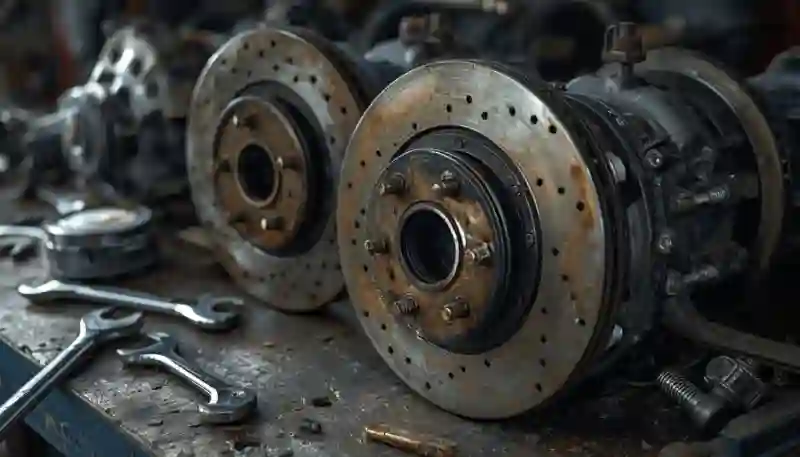
The Used Luxury Trap: 10-Year-Old BMW, Mercedes, Audi
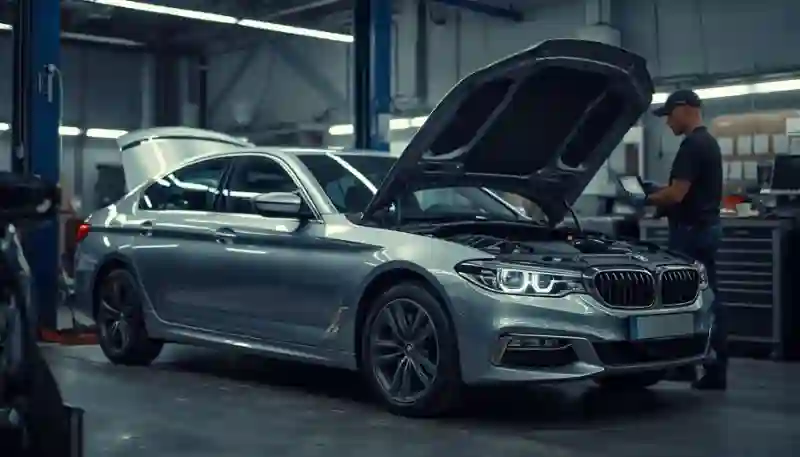
In big metro hubs, 10-year-old luxury diesels (Mercedes C-Class, BMW 3 Series, Audi A4) sell for ridiculous budget prices due to strict regional scrap rules. Look, here is the golden rule: A ₹50 lakh luxury car still carries the maintenance costs of a ₹50 lakh car when something breaks down, regardless of how cheap you bought it.
A simple set of replacement tires, a new battery, or routine brake pad service will cost five to ten times more than what you would spend on a standard hatchback. One major engine oil leak can easily run up a bill that equals your entire monthly earnings.
Also Read: Thinking of avoiding old petrol and diesel engines altogether? Check out our guide on Electric Scooter vs Petrol Scooter for smart daily commuting.
Final Words
Straight up, buying a pre-owned vehicle is about choosing the right balance between comfort and long-term peace of mind.
Do not let fancy badges, big panoramic sunroofs, or cheap price tags blind your judgment. If a model has been discontinued for years, lacks cheap spare parts, or carries a history of expensive workshop visits, walk away immediately. Stick to simple, reliable machines where a standard service won’t force you to take out a loan!
Also Read: Considering a proper SUV instead of a risky second-hand option? Read our detailed comparison on Scorpio N vs Thar Roxx before making your decision.
Frequently Asked Questions
1. Is it a bad idea to buy super cheap used cars?
Look, if someone offers a ₹15 lakh ride for barely 2–3 lakhs, alarm bells should ring. You’re almost certainly walking into hidden engine mess, old crash repairs, or a massive headache finding spare parts later.
2. What if the car model is already discontinued?
It gets proper painful. Owning something like an old Jazz or Safari Strome means main dealers will quote silly prices and take forever to ship parts. Most folks end up begging local mechanics or hunting scrap yards.
3. Do European cars really break the bank compared to Japanese ones?
Properly so, yeah. Skoda and VW fit complex gearboxes and electronics that cost an absolute bomb when they fail. Suzuki or Honda keep things dead simple, meaning your local garage can fix them cheap and fast.
4. Should you buy a 10-year-old diesel luxury car in Delhi-NCR?
Honestly, it’s a massive trap. That 10-year ban makes old Audis look dirt cheap, but running them easily burns ₹2–3 lakh yearly. Even basic stuff like fresh brake pads costs five times more than a regular hatchback.
5. What’s the very first thing to check before paying?
Get the full service log straight away. After that, pay a trusted mechanic to properly check under the bonnet and scan the wiring. Glossy paint means nothing if the engine is ready to blow.