Modern Cars Feel Like Smartphones on Wheels – And That’s Not Always a Good Thing
Five years ago, buying a car meant checking the boot, tyres, and engine idle, but today car touchscreen safety is rarely discussed during showroom visits. Walk in and the salesperson spends half an hour talking about cloud profiles, widget layouts, and phone pairing. Cars have basically become smartphones with four wheels. Brands love calling them Software-Defined Vehicles. It sounds impressive in the brochure. Living with one on Indian roads is a different story.
The fancy features look great on paper, especially with new electric crossovers, but car touchscreen safety has become a serious concern. The real question is whether they actually make daily driving easier or just add new problems.
The Stuff That Actually Helps
Not all the software is useless. When it works properly, some of it genuinely makes Indian driving less painful.
Pre-cooling the cabin is one of the best ones. Leave a car under the Delhi sun at 44°C, and it turns into an oven. Opening the app, starting the engine, and letting the AC run for ten minutes before you step out is pure relief.
Tata’s reverse memory on the
Harrier EV is another smart one. It remembers the exact steering inputs you made while entering a tight lane. If a delivery van or vegetable cart blocks you later, one button and the car steers itself back out the same way.
The 360° and underbody cameras have also been a big help. Parking a wide SUV next to a deep storm drain used to be stressful. These cameras take most of that fear away, especially if you’re not used to a big car.
When Touchscreens and Hidden Handles Become Dangerous
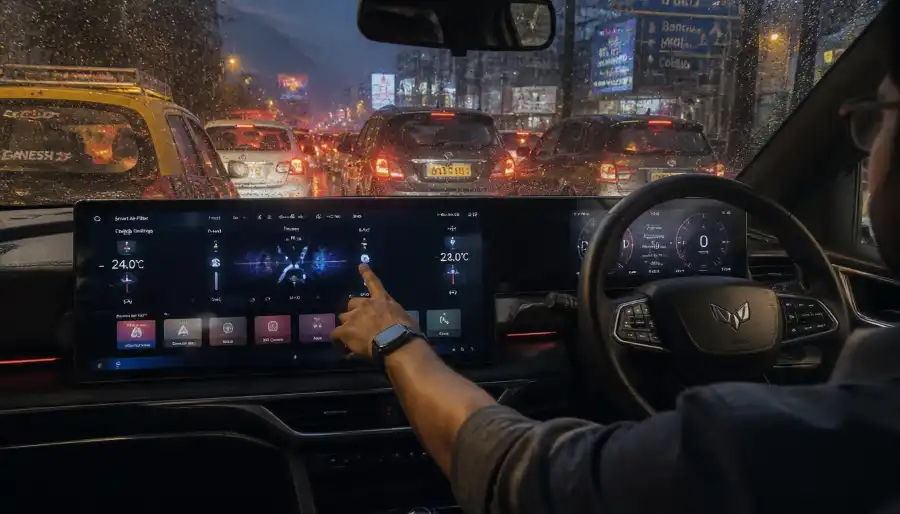
Companies have gone too far in removing physical controls. A big glass screen looks modern and costs them far less than wiring dozens of actual buttons and dials. But that cost-cutting creates real safety issues. Imagine you’re doing 90 km/h on a rainy night and the windscreen starts fogging up. With a proper knob, you twist it without looking. With a touchscreen, you have to glance down, find the right menu, and hope your wet finger registers. That’s not progress.
Voice control was supposed to solve this. In reality, you’re often shouting at the car three times while autos are honking and wind is rushing in through an open window. It rarely works when you need it most.
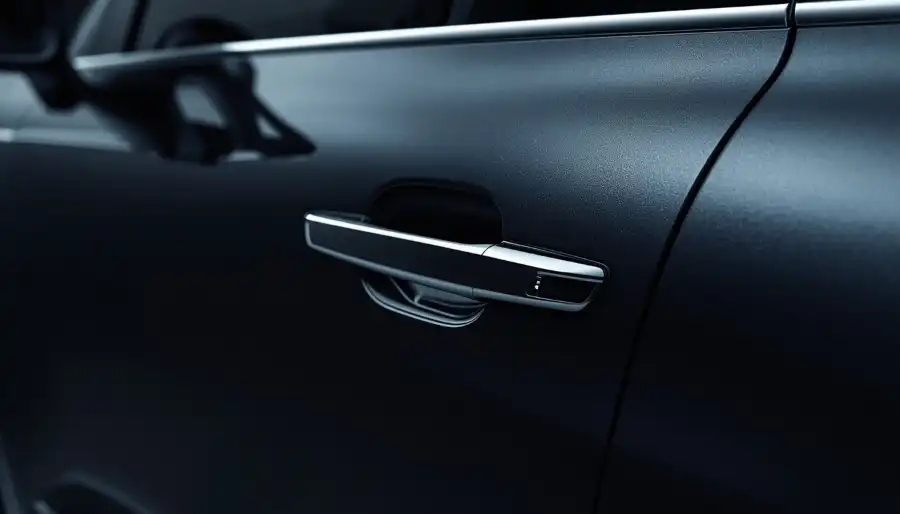
Then there are the flush door handles that sit completely flat. If the 12V battery dies or the electronics crash in an accident, those handles don’t pop out. In some markets, rescue teams have struggled to get people out of burning cars simply because there was nothing physical to grab. A phone crash means a missed call. A car software crash can trap you inside.
ADAS on Highways vs ADAS in Indian Cities
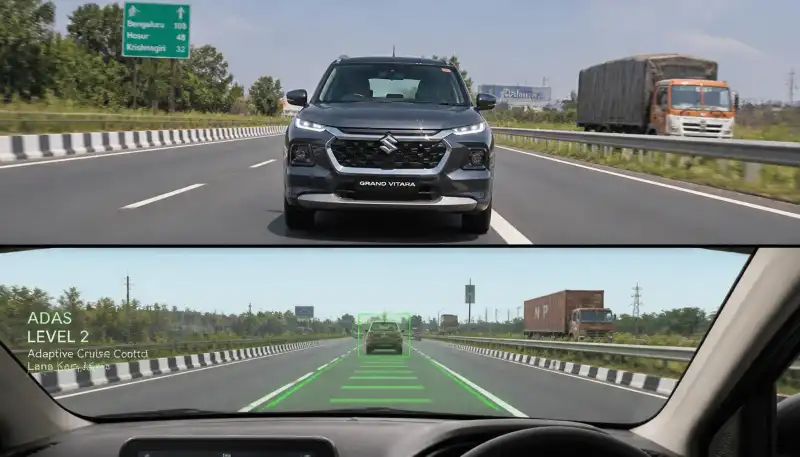
Level 2 systems have reached even affordable cars like the Amaze and Venue, as well as family-focused
hybrid SUVs. On a clean, well-marked expressway they work really well. Adaptive cruise keeps pace with trucks and lane keep stops you drifting during long highway runs.
Drop the same system into morning metro traffic, and it often panics. It brakes hard for filtering two-wheelers, sudden pedestrians, or stray animals. That surprise braking can easily cause the car behind to hit you.
Level 3 systems that promise hands-off driving on designated highways are coming. Until road markings stay consistent and wrong-side driving stops, giving the computer full control still feels like a big risk.
The Subscription Trap
This is the part that feels the greediest. You pay ₹15 lakh for the car, then the company wants more money every year just to keep basic features working.
Most connected apps come with a free two- or three-year trial. After that, remote start, live tracking, and geofencing can cost ₹4,000–8,000 a year. Some global brands have already started charging extra to unlock heated seats or higher power even though the hardware is already sitting in the car. Paying a monthly fee for something you already own feels wrong.
Every connected car also logs how you drive — hard acceleration, sharp cornering, heavy braking. In Europe, insurers already pull this data after accidents to reject claims. The same thing is slowly starting to appear in Indian policies.
What to Look For in 2026
Software can make driving more comfortable, but only when it supports you instead of replacing common sense. Don’t get sold only on the giant screen. Explore cars that combine effective Level 2 highway assistance with traditional physical controls for climate, hazard lights, volume, and windows. Technology should make life easier, not force you to fight a glitchy screen for basic things.
Quick Answers
What if the screen freezes on the highway?
Engine, steering, and brakes still work because the critical systems run on separate computers. You just lose the digital displays, climate menu, navigation, and
ADAS warnings until it restarts.
Why do companies love touchscreens so much?
They’re much cheaper to build. One big screen replaces hundreds of switches, wiring, and moulds.
Is Level 2 ADAS safe in city traffic?
Usually not. It’s designed for clear highway lanes. In dense traffic, the sudden auto-braking can cause rear-end collisions.
Do connected features die if I stop paying the subscription?
Yes. Remote start, pre-cooling, live tracking, and digital locking get switched off from the company’s server until you renew.
Can the car’s data be used against me in an insurance claim?
Yes. The system logs speed, throttle, braking, and ADAS use. Insurers can request that data after a crash to check for reckless driving.